
 Ethan Vance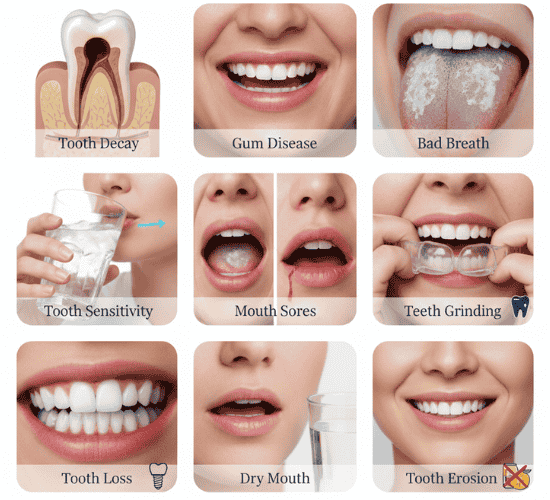
Your mouth is a complex ecosystem. It serves as the gateway to your digestive and respiratory tracts, and its health often mirrors the condition of your overall well-being. While most people brush and floss daily, many still encounter issues that range from minor annoyances to significant medical concerns. Understanding these common problems is the first step toward maintaining a healthy smile for life.
1. Tooth Decay (Cavities)
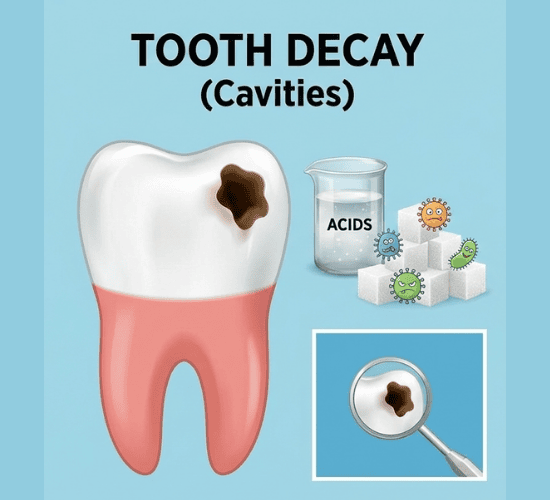
Tooth decay remains one of the most prevalent health issues worldwide. It occurs when plaque, a sticky film of bacteria, forms on teeth and converts sugars from food into acids. These acids attack the tooth enamel, creating small holes known as cavities.
Prevention: Brush twice a day with fluoride toothpaste, floss daily, and limit sugary snacks. Regular dental checkups allow professionals to spot early signs of decay before they require fillings or root canals.
2. Gum Disease (Gingivitis and Periodontitis)
Gum disease is an infection of the tissues that hold your teeth in place. It typically starts as gingivitis, characterized by red, swollen gums that bleed easily. If left untreated, it can advance to periodontitis, which can lead to tooth loss and damage to the jawbone.
Prevention: Good oral hygiene is the best defense. Brush and floss effectively to remove plaque from the gumline. quitting smoking is also crucial, as tobacco use is a significant risk factor for gum disease.
3. Bad Breath (Halitosis)
Chronic bad breath affects confidence and social interactions. While certain foods like garlic cause temporary odor, persistent bad breath usually indicates an underlying issue. This can stem from gum disease, cavities, dry mouth, or bacteria on the tongue.
Prevention: Maintain a rigorous cleaning routine, including brushing your tongue or using a tongue scraper. Drinking plenty of water helps wash away food particles and bacteria. If the problem persists, consult a dentist to rule out medical causes.
4. Tooth Sensitivity
If a sip of hot coffee or cold water causes a sharp pain, you likely have sensitive teeth. This occurs when the enamel wears down or gum recession exposes the underlying dentin layer, which contains nerve endings.
Prevention: Switch to a toothpaste specifically designed for sensitive teeth. Avoid aggressive brushing, which can wear down enamel, and limit acidic foods that can erode tooth surfaces.
5. Oral Cancer
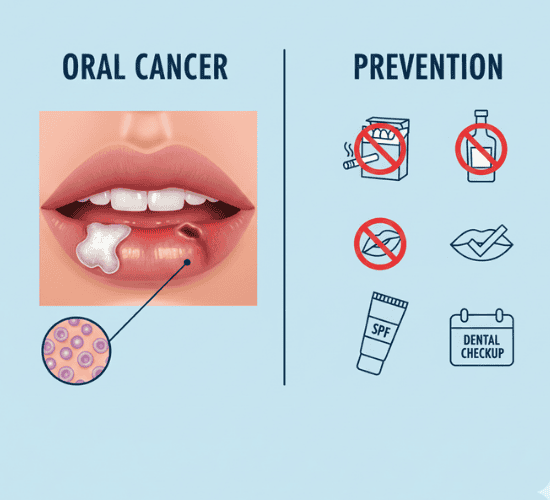
Oral cancer is a serious and potentially life-threatening disease. It can manifest as a sore that does not heal, a lump, or a white or red patch on the inside of the mouth. Early detection significantly improves survival rates.
Prevention: Avoid tobacco products and limit alcohol consumption. Use lip balm with SPF when outdoors. Most importantly, ensure your dentist performs an oral cancer screening during your regular checkups.
6. Mouth Sores
Canker sores, cold sores, and oral thrush are common irritations. Canker sores occur inside the mouth and are not contagious, while cold sores appear on the lips and are caused by a virus.
Prevention: Reduce stress and avoid foods that irritate your mouth. For viral cold sores, avoid skin-to-skin contact during outbreaks. Maintaining a healthy immune system helps prevent fungal infections like thrush.
7. Tooth Erosion
Acid erosion happens when acids wear away the enamel on your teeth. This differs from bacterial decay and is often caused by acidic drinks like soda and fruit juice, or by acid reflux.
Prevention: Drink water with meals to rinse away acids. Wait at least one hour after consuming acidic food or drink before brushing, as enamel is softer and more vulnerable immediately after exposure.
8. Dry Mouth (Xerostomia)
Saliva is essential for washing away food and neutralizing acids produced by bacteria. A lack of saliva, known as dry mouth, can accelerate tooth decay and gum disease. It is often a side effect of medication or certain medical conditions.
Prevention: Sip water frequently and chew sugar-free gum to stimulate saliva flow. Avoid tobacco and caffeine, which can dry out the mouth further.
9. Tooth Grinding (Bruxism)
Grinding or clenching teeth, often during sleep, can cause headaches, jaw pain, and cracked or worn-down teeth. Stress and anxiety are common triggers for this condition.
Prevention: Your dentist can provide a custom night guard to protect your teeth while you sleep. Stress reduction techniques and avoiding caffeine before bed can also help reduce grinding episodes.
10. Tooth Loss
While modern dentistry aims to preserve natural teeth, trauma, severe decay, or advanced gum disease can lead to tooth loss. Missing teeth can affect your ability to chew and speak properly, and can lead to bone loss in the jaw.
Prevention: The best prevention is a combination of all the habits listed above: excellent hygiene, protective gear during sports, and regular professional care. However, if tooth loss does occur, solutions are available to restore function. Whether you need a single implant or a full restoration solution like teeth in a day in Chattanooga, modern options can help you regain your quality of life efficiently.
Conclusion
Most oral health problems are largely preventable with consistent care and attention. By prioritizing your daily hygiene routine and visiting a dental professional regularly, you can avoid pain, save money on extensive treatments, and keep your smile healthy for years to come. Do not wait for a toothache to signal a problem; take proactive steps today to protect your oral health.