
 Ethan Vance
Riding a personal watercraft (PWC) offers a thrilling outdoor experience, combining the excitement of a motorcycle with the open water. Popular with both thrill-seekers and families for decades, PWCs provide a unique way to explore various bodies of water, from leisurely cruises to high-speed maneuvers. This guide will cover everything from choosing the right PWC to safety on the water.
Types of Personal Watercraft
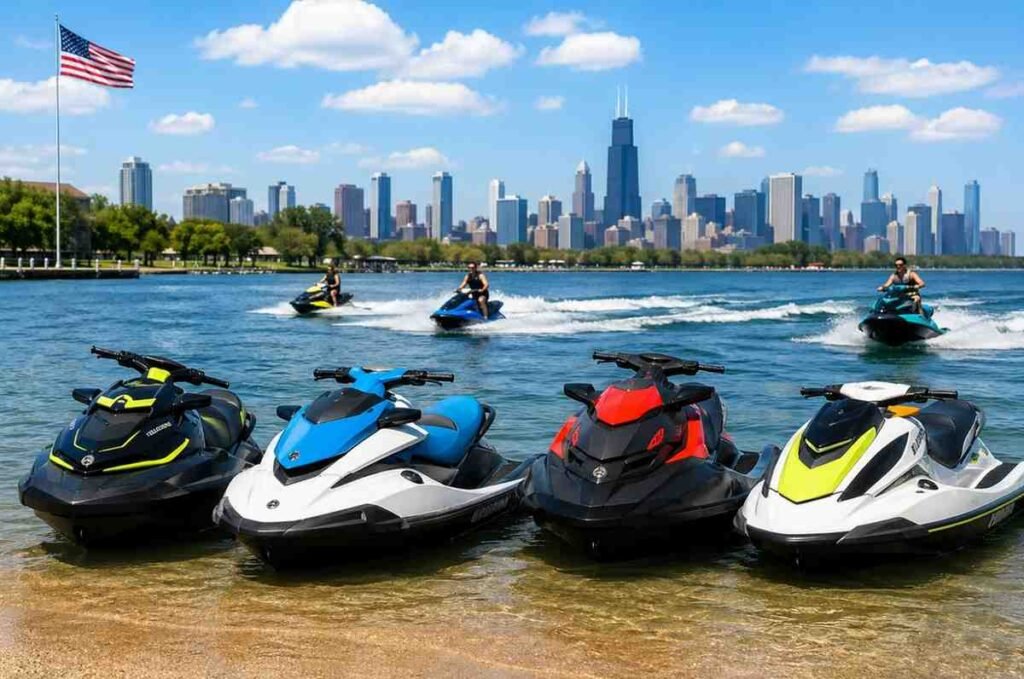
When choosing a PWC, you will generally decide between two main categories. Each offers a completely different riding experience.
Stand-up PWCs
Stand-up models, often referred to by the brand name Jet Ski, require the rider to stand on a small platform. These machines are incredibly agile and lightweight. Riding a stand-up PWC demands a high level of balance, professional ground prep, core strength, and athleticism. They are the top choice for freestyle riders and racers who want to perform sharp maneuvers, spins, and jumps.
Sit-down PWCs
Sit-down models, such as WaveRunners and Sea-Doos, are the most common type of personal watercraft found on the water today. They feature a comfortable seat that typically accommodates one to three passengers. These machines are stable, powerful, and easy for beginners to master. Sit-down PWCs are perfect for long rides, towing wakeboarders, and casually exploring the shoreline with friends.
Essential Gear and Safety First
Safety should always dictate your actions on the water. Equipping yourself with the right gear ensures a fun and secure ride.
A Coast Guard-approved Personal Flotation Device (PFD) is absolutely non-negotiable for every rider and passenger. Your life jacket needs to fit snugly so it will not slip over your head if you fall into the water. Additionally, wearing a wetsuit or a rash guard provides excellent protection against cold water temperatures and harsh UV rays.
Water spray and wind can quickly obscure your vision at high speeds. A quality pair of riding goggles or floating sunglasses will keep your eyes protected. You must also always attach the safety lanyard, or kill switch, to your life jacket or wrist. If you happen to fall off, this cord will immediately shut off the engine, preventing the watercraft from driving away without you.
Always practice basic boating etiquette. Keep a safe distance from other vessels, avoid weaving through heavy boat traffic, and strictly obey all local navigation rules.
Getting Started: What You Need to Know
Before you back your trailer down the boat ramp, take some time to prepare for the day.
Familiarize yourself with local licensing and age requirements. Many states require riders to complete a boater safety course and carry a boating license before operating a PWC.
Perform a thorough pre-ride check on your machine. Inspect the fuel and oil levels to ensure you have plenty of fluids for your trip. Check the throttle and steering controls to confirm they move smoothly without any binding.
When you arrive at the boat ramp, efficiency is key. Prepare your gear and load your supplies while waiting in line. Once it is your turn, reverse the trailer slowly into the water until the PWC begins to float, unhook the winch, and gently guide the watercraft off the bunks.
Top Destinations for PWC Enthusiasts
The environment you choose heavily influences your riding experience.
Coastal areas and oceans provide an endless playground of rolling swells. Saltwater riding requires you to constantly read the incoming waves and time your movements accurately. Bays and inlets often offer calmer saltwater conditions, making them ideal for observing marine life from a respectful distance.
Lakes and rivers present a totally different type of adventure. Rivers allow for scenic, winding journeys through dense forests and canyons. Lakes offer massive expanses of flat water that are perfect for testing top speeds. If you want to experience a stunning mountain backdrop with smooth water, looking into jet ski rentals at Pineview Reservoir is a fantastic way to spend a summer weekend.
Advanced Riding Techniques
Once you feel comfortable with the basics, you might want to learn a few advanced maneuvers.
Mastering sharp corners requires you to shift your body weight to the inside of the turn while maintaining steady throttle control. If you let off the throttle completely, you will lose your steering capability. When encountering small wakes, keep your knees bent to absorb the impact. Approaching the wake at a slight angle will help you launch smoothly and land safely.
If you are riding in a group, maintain a staggered formation. Never ride directly behind another PWC, as the lead rider might stop suddenly or fall, leaving you with no time to react.
Maintenance and Storage Tips
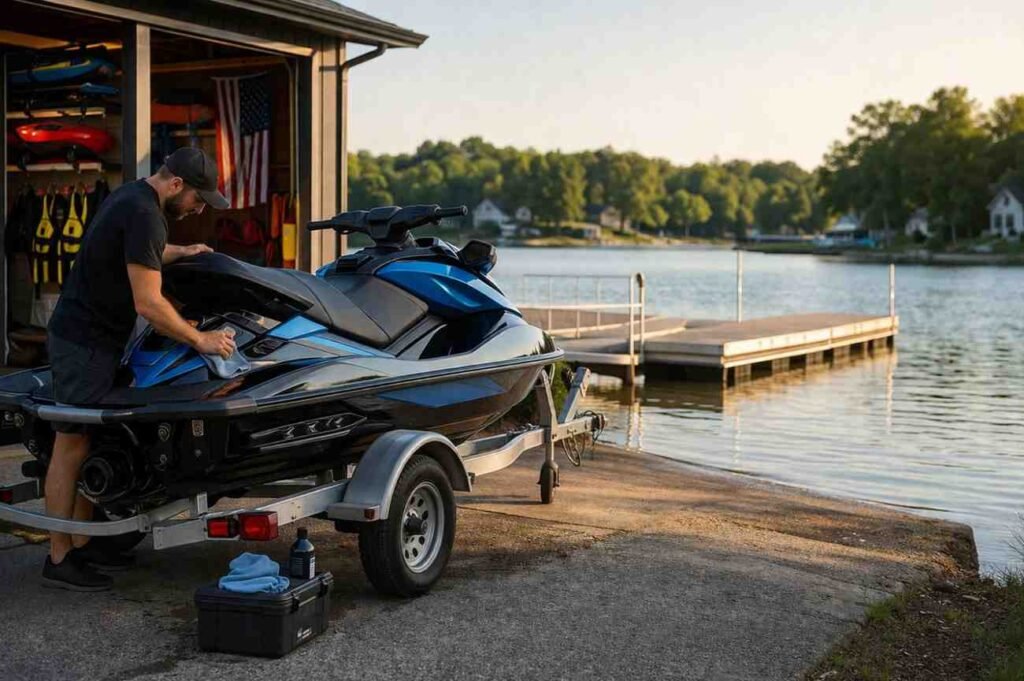
Proper maintenance will significantly extend the life of your personal watercraft.
If you ride in saltwater, you must flush the engine with fresh water immediately after your trip. Salt causes rapid corrosion inside the cooling system. Wash the exterior hull with mild soap and water to remove dirt, algae, and grime.
Keep a close eye on your engine compartment. Spraying a marine-grade anti-corrosive lubricant over the metal components will protect them from moisture.
When you are done for the season, store your PWC on a proper lift or trailer. Cover it with a breathable, waterproof tarp to protect the seat and paint from sun damage and debris.
Environmental Responsibility
Protecting our waterways ensures that future generations can enjoy them.
Always observe no-wake zones, especially near docks, shorelines, and anchored boats. Large wakes can cause shoreline erosion and damage docked vessels. Steer clear of sensitive ecological areas, such as shallow seagrass beds and nesting grounds.
Finally, be incredibly careful when refueling your watercraft. Even a small amount of spilled fuel or oil can harm local aquatic life. Dispose of all trash properly and leave the environment cleaner than you found it.
Conclusion
A personal watercraft offers a thrilling passport to aquatic exploration. By selecting the right machine, wearing the proper safety gear, and respecting the environment, you set the stage for countless unforgettable memories.