 Ethan Vance
Getting behind the wheel offers a unique sense of independence. You control the destination, the route, and the pace of your journey. However, operating a motor vehicle also carries a significant amount of responsibility. A single mistake or momentary lapse in judgment can lead to severe consequences for yourself, your passengers, and others sharing the streets.
Pre-Drive Checklist: Essential Vehicle Checks
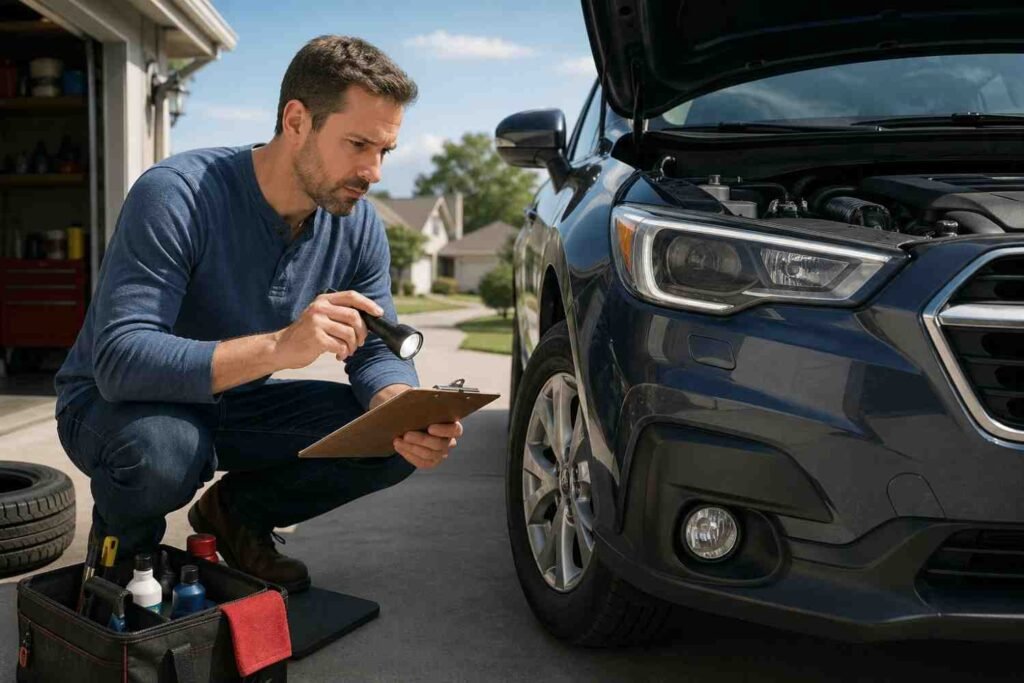
Jumping into the driver’s seat and turning the key without a second thought is a common habit. Taking just two minutes to inspect your vehicle before starting the engine can prevent breakdowns and accidents.
Inspect Your Tires
Your tires are the only point of contact between your car and the asphalt. Check the tire pressure at least once a month using a reliable gauge, ensuring it matches the manufacturer’s recommended levels found inside the driver’s door jamb. Visually inspect the tread for excessive wear or bald spots. Adequate tread depth is vital for maintaining traction, especially on wet or icy surfaces.
Adjust Mirrors and Seating
Comfort and visibility are non-negotiable. Adjust your seat so you can easily reach the pedals without stretching. Your chest should be at least ten inches away from the steering wheel to allow the airbag to deploy safely. Next, position your rearview and side mirrors to minimize blind spots. You should be able to see the road behind you and a sliver of your own vehicle in the side mirrors.
Test Lights and Signals
Visibility goes both ways. You need to see the road, and other motorists need to see you. Turn on your headlights, taillights, and hazard lights, then walk around the car to ensure all bulbs are functioning. Tap the brakes while parked in front of a reflective surface, or ask a friend to verify that your brake lights illuminate correctly.
Defensive Driving Techniques for Every Driver
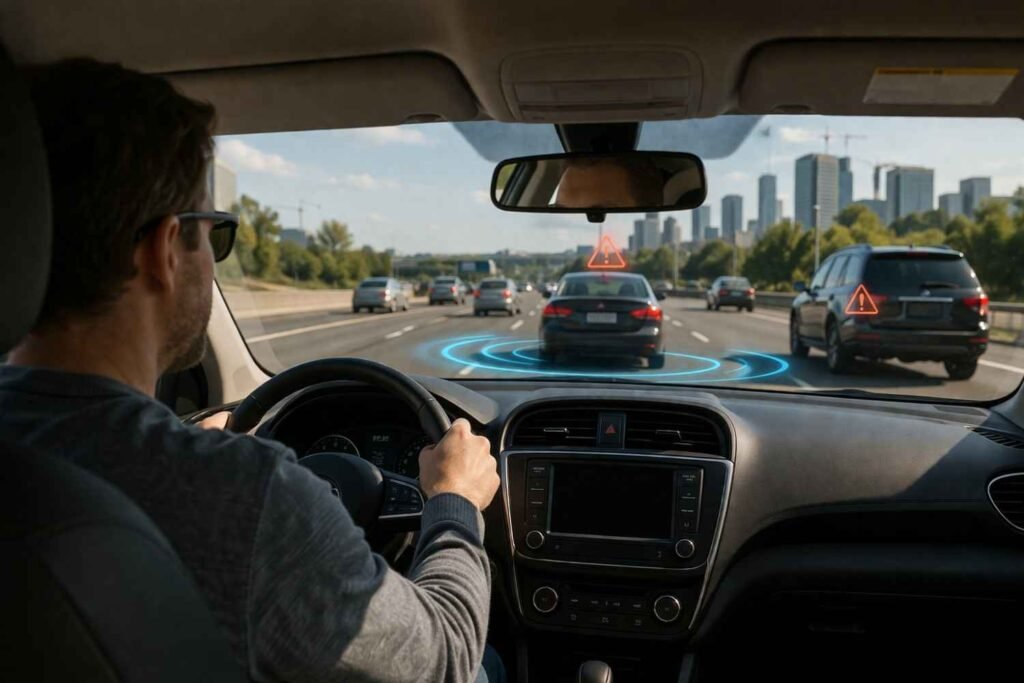
Safe driving requires proactive thinking. Defensive driving means anticipating potential hazards and making safe, well-calculated decisions to avoid them.
Understanding why do road accidents happen can also help drivers become more aware of common risks such as distractions, speeding, and poor decision-making behind the wheel.
Maintain a Safe Following Distance
Tailgating drastically reduces your reaction time. Adopt the three-second rule under normal conditions. Pick a stationary object on the side of the road, like a sign or a tree. When the car ahead of you passes that object, count to three. If you pass the same object before reaching three, you are following too closely. Increase this distance to five or six seconds during heavy rain, snow, or fog.
Eliminate Distractions
Distracted driving is a leading cause of collisions globally. Texting, eating, adjusting the navigation system, or engaging in intense conversations pulls your focus away from the windshield. Secure your phone in a mount and set your GPS destination before putting the car in drive. If an urgent matter requires your attention, pull over to a safe location.
Anticipate the Mistakes of Others
You cannot control how other people behave behind the wheel. Assume that the car in the adjacent lane might merge without signaling. Be prepared for a pedestrian to step into the crosswalk unexpectedly. By anticipating human error, you give yourself the mental bandwidth to react calmly and safely.
Understanding and Obeying Traffic Laws
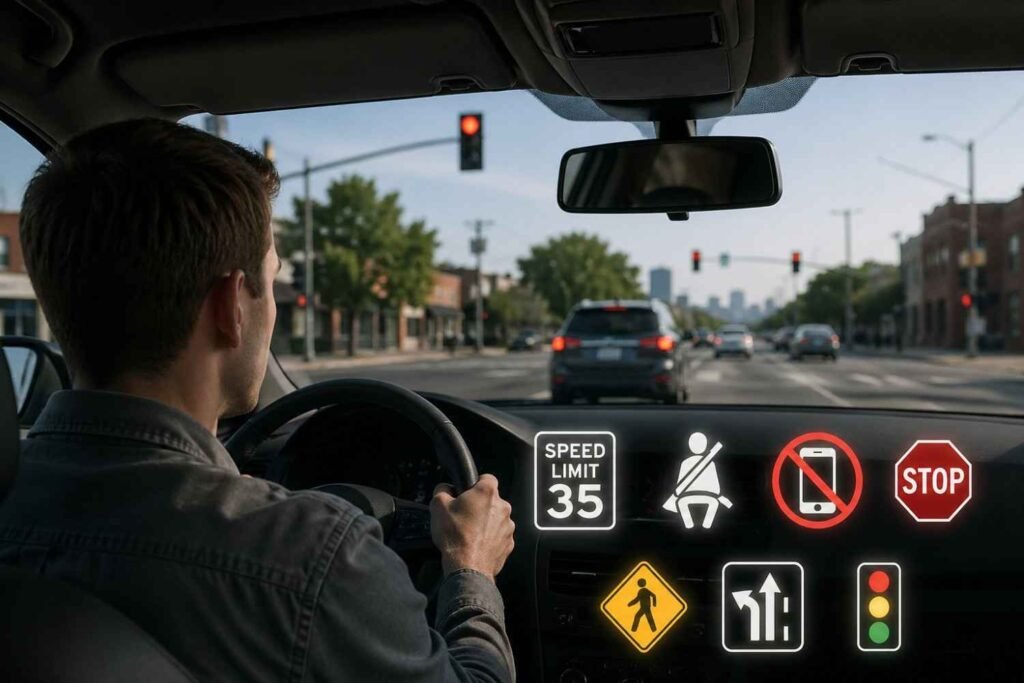
Traffic laws exist to create a predictable, orderly flow of vehicles. Ignoring these regulations causes confusion and leads directly to collisions.
Respect Speed Limits and Conditions
Speed limits indicate the maximum safe speed under ideal conditions. If you are driving through a severe rainstorm or navigating a construction zone, driving the posted speed limit might actually be unsafe. Always adjust your speed to match the current weather, visibility, and traffic density.
Yield the Right of Way
Knowing when to go and when to yield prevents intersection accidents. Always yield to pedestrians in crosswalks. At a four-way stop, the first vehicle to arrive has the right of way. If two vehicles arrive simultaneously, the vehicle on the right goes first. When in doubt, make eye contact with the other driver and use hand signals to communicate your intentions.
Obey Road Signage
Road signs communicate critical information about the environment ahead. Stop signs require a complete cessation of movement, not a rolling pause. Yield signs demand that you slow down and prepare to stop if necessary. Pay close attention to warning signs indicating sharp curves, animal crossings, or upcoming traffic signals.
Handling Unexpected Situations on the Road
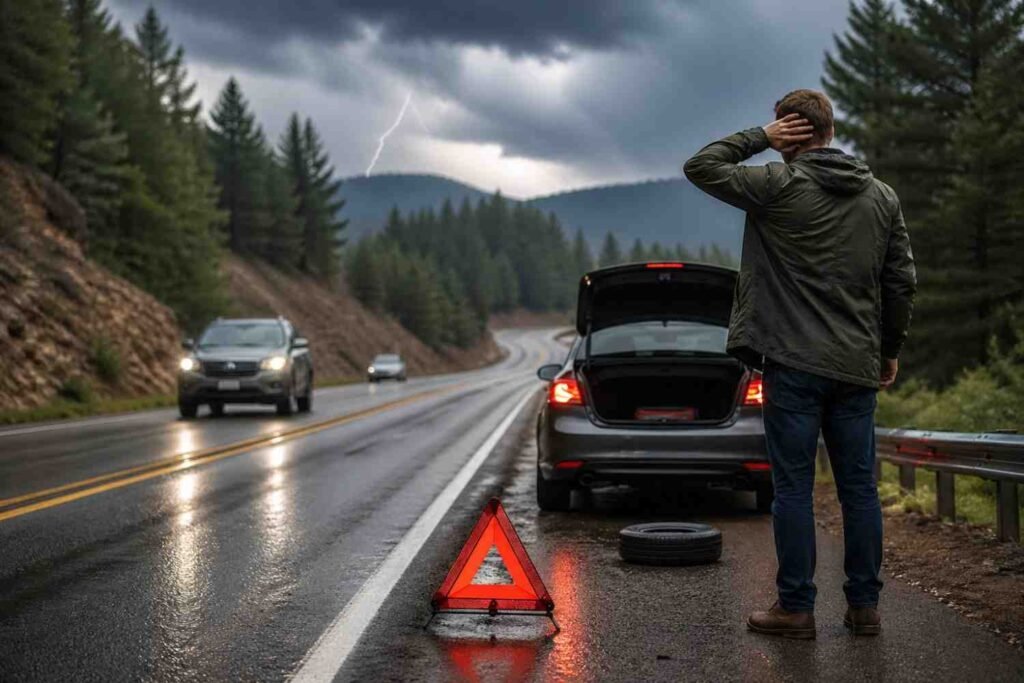
Even the most cautious motorists will eventually encounter unexpected challenges. Knowing how to react to sudden emergencies can prevent a minor inconvenience from turning into a major disaster.
Navigating Severe Weather
Rain, snow, and ice drastically reduce tire traction. If you hit a patch of standing water and begin to hydroplane, take your foot off the accelerator. Do not slam on the brakes or jerk the steering wheel. Allow the car to slow down naturally until the tires regain contact with the pavement. In snowy conditions, apply gentle pressure to the brakes and accelerator to prevent skidding.
Surviving a Tire Blowout
A sudden tire blowout at highway speeds is terrifying. The natural instinct is to brake hard, but doing so will cause the car to spin out of control. Instead, grip the steering wheel firmly with both hands to maintain your lane position. Gradually release the accelerator to slow down, and carefully steer toward the shoulder of the highway once you reach a safe speed.
Encountering Wildlife or Debris
Animals and road debris can appear out of nowhere. If a small animal darts in front of your car, brake firmly but maintain your lane. Swerving into oncoming traffic or off the road entirely is far more dangerous than striking the animal. If a large object falls from a truck ahead of you, check your mirrors quickly before executing an evasive maneuver.
Proper Maintenance
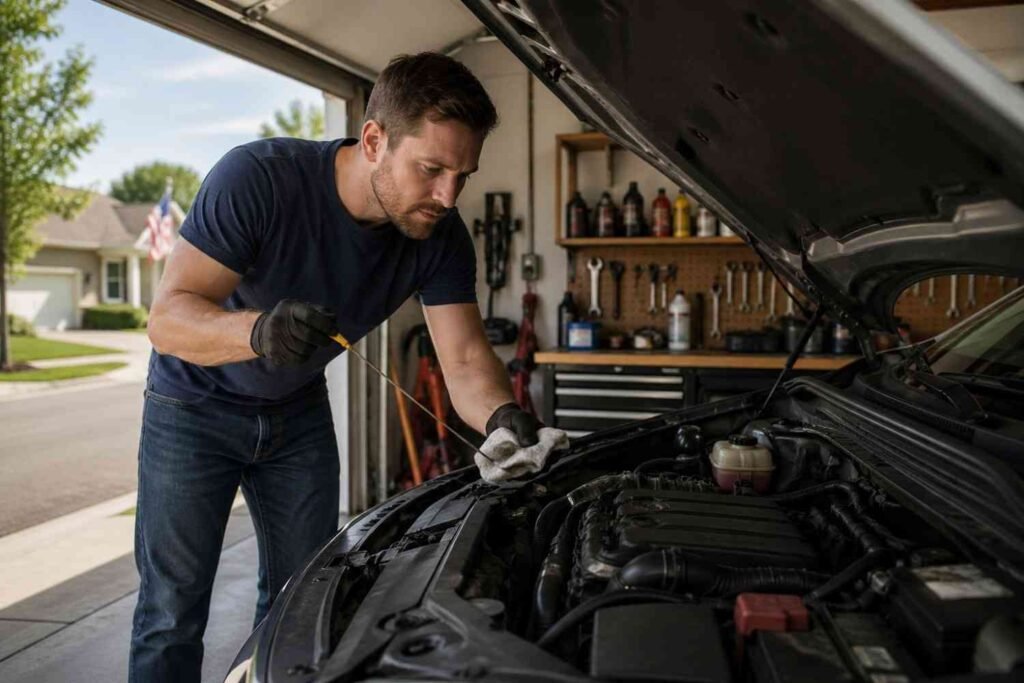
A well-maintained vehicle is inherently safer than a neglected one. Routine servicing prevents mechanical failures that can leave you stranded or cause an accident at high speeds.
Follow the maintenance schedule outlined in your owner’s manual. This includes regular oil changes, tire rotations, and fluid top-ups. Brake pads and rotors must be inspected frequently, as failing brakes are a catastrophic safety hazard. Listen for unusual noises, such as grinding or squealing, and address them immediately.
Partnering with a trusted automotive expert takes the guesswork out of car care. Finding a qualified professional, like a reliable mechanic in South Salt Lake, ensures your car stays in peak condition year-round. An experienced technician can identify worn belts, leaking hoses, and suspension issues long before they compromise your safety on the highway.
Conclusion
Road safety is a collective effort. Every time you fasten your seatbelt and start the ignition, you hold a shared responsibility to protect your community. By committing to routine vehicle inspections, defensive driving habits, and strict adherence to traffic laws, you actively reduce the risk of accidents.