 Ethan Vance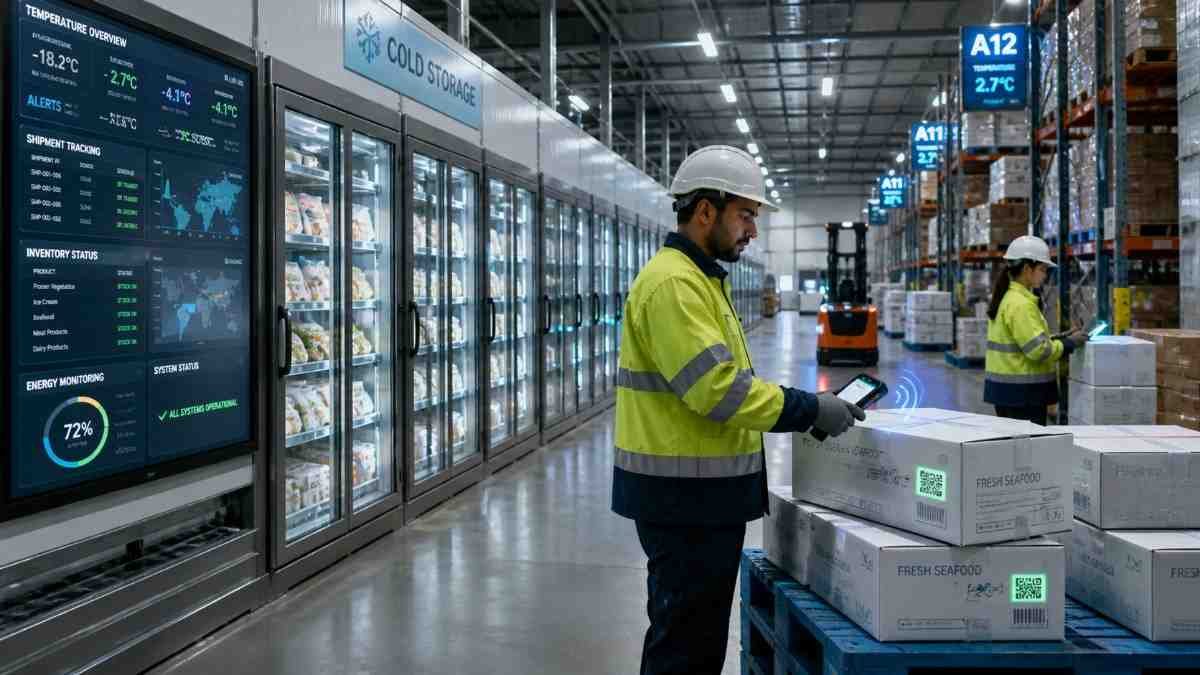
Every year, global supply chains lose billions of dollars due to product spoilage and degradation. From fresh agricultural produce to life-saving pharmaceuticals, the decay of perishable goods represents a massive logistical and environmental challenge. When products expire before they reach the end user, the resources used to create them are entirely wasted.
Traditional Preservation Methods
Humans have always sought ways to slow down decay. Early civilizations relied heavily on natural elements like the sun and wind to dry crops and meat. The discovery of salt curing and fermentation allowed ancient societies to store food for long winters and extended sea voyages.
By the 19th century, the invention of canning and early refrigeration revolutionized the food industry. These historical techniques formed the backbone of global trade. While many of these methods are still used today, modern demands require much more sophisticated and scalable solutions.
Modern Innovations
Science has pushed preservation far beyond basic temperature control and canning. Today’s innovations operate on a molecular level to extend viability without compromising quality to provide ethical materials in everyday life.
Advanced Packaging
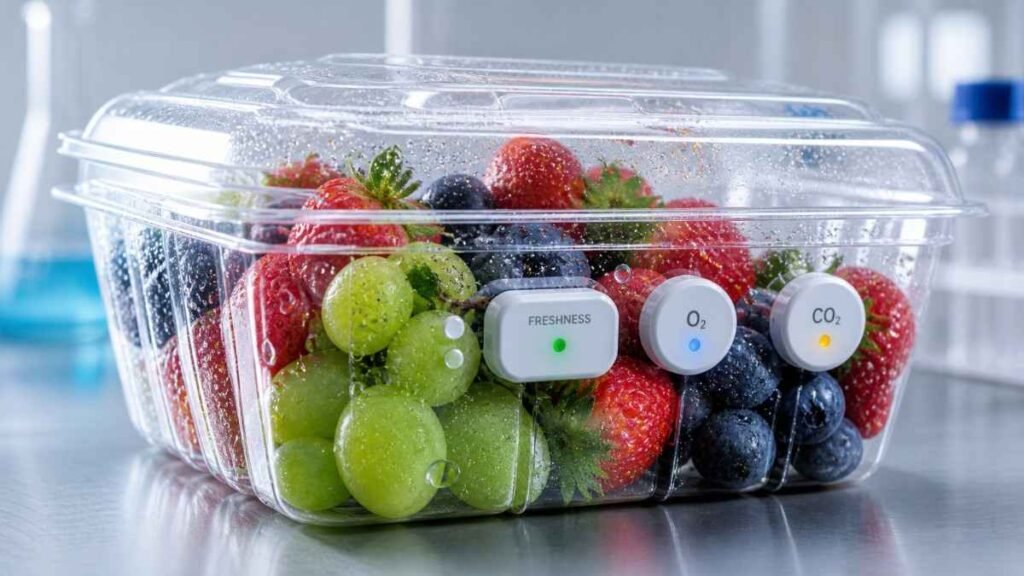
Packaging is no longer just a passive container; it is an active participant in product longevity. Smart packaging incorporates sensors that monitor temperature, moisture, and gas levels, alerting consumers to the actual freshness of a product rather than relying on arbitrary expiration dates.
Active packaging goes a step further by releasing antimicrobial agents or absorbing oxygen to prevent spoilage. Meanwhile, biodegradable solutions ensure that keeping products fresh does not contribute to long-term plastic pollution.
Novel Food Processing
Heat treatment, like pasteurization, often destroys the nutritional value and texture of food. New processing methods solve this problem. High-pressure processing (HPP) uses extreme hydrostatic pressure to eliminate harmful bacteria while maintaining a product’s raw characteristics.
Pulsed electric fields (PEF) perforate cell membranes of microbes to safely sanitize liquids, and cold plasma technology treats food surfaces with ionized gas to remove pathogens without altering taste.
Pharmaceutical Stability
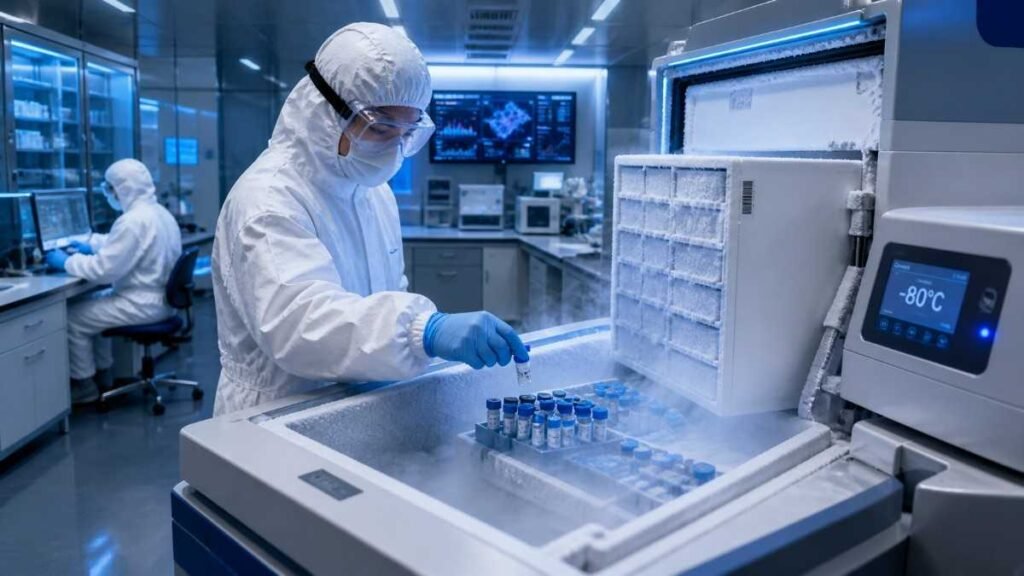
The medical field relies heavily on precise preservation to ensure treatments remain effective. Lyophilization, commonly known as freeze-drying, removes water from biological products while they are frozen, vastly extending the shelf life of vaccines and vital proteins.
For ultra-cold storage requirements, a cryogenic freezer can safely maintain sensitive biological samples and cellular therapies at extreme sub-zero temperatures for years. Additionally, controlled-release systems and novel excipients are being developed to stabilize active ingredients in medications, ensuring they only activate once inside the human body.
Cultural Heritage Preservation
Preservation isn’t limited to consumables. Museums and archives use advanced techniques to protect human history. Strict climate control systems manage humidity and temperature to prevent paper and canvas from degrading.
Anoxic environments, which replace oxygen with inert gases like argon, stop the chemical breakdown and pest infestations of delicate historical artifacts. Digital archiving also serves as a permanent backup, capturing high-resolution 3D models of antiquities for future generations.
Benefits Across Sectors

These preservation techniques deliver substantial advantages across the board. Economically, extending a product’s shelf life allows companies to expand their distribution radius, reaching new global markets while drastically reducing inventory write-offs.
Environmentally, the impact is immense. Reducing food waste directly lowers greenhouse gas emissions associated with agriculture and disposal. On a societal level, better preservation means that vital medicines and nutrient-dense foods can survive the long journey to remote or underserved communities, improving global health outcomes.
Challenges and Future Outlook
Despite these incredible advancements, widespread adoption faces several hurdles. Sustainability remains a primary concern. Many advanced preservation methods, such as ultra-cold storage and high-pressure processing, require significant amounts of electricity. Transitioning these technologies to renewable energy sources is a critical next step.
Regulatory hurdles also slow down innovation. New packaging materials and food processing techniques must undergo rigorous testing by health authorities before they can reach the market. Looking ahead, emerging technologies like artificial intelligence will likely play a role in optimizing supply chain logistics, predicting spoilage before it happens, and fine-tuning preservation environments in real time.
Conclusion
The push to keep products viable for longer is fundamentally reshaping global supply chains. By moving away from outdated storage methods and embracing intelligent, active preservation technologies, industries can drastically reduce waste, boost their bottom line, and deliver higher-quality goods to consumers.