 Ethan Vance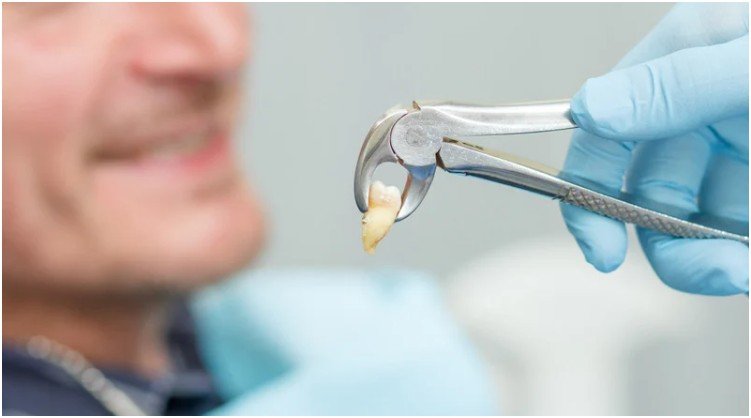
Tooth extraction is a routine dental procedure that many people undergo at some point in their lives. Whether it’s due to decay, trauma, overcrowding, or problematic wisdom teeth, removing a tooth is sometimes the best option for maintaining oral health.
Immediate Changes: The First Few Days
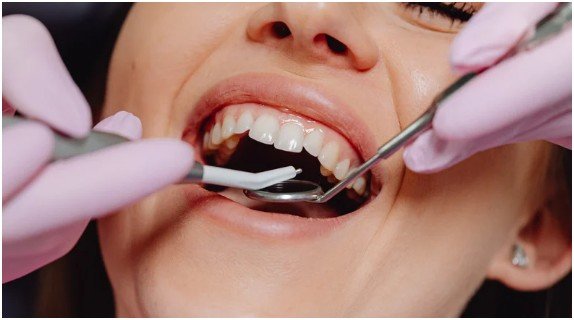
The process of healing begins the moment the tooth is removed. The body’s natural response to trauma kicks in immediately to protect the empty socket and initiate repair.
Formation of the Blood Clot
The most critical event in the first 24 hours is the formation of a blood clot within the socket. This clot serves a vital function: it acts like a biological bandage, covering the exposed bone and nerve endings while providing a foundation for new tissue growth.
Protecting this clot is paramount. If it dislodges prematurely—a condition known as dry socket—the result can be intense pain and delayed healing.
Soft Tissue Healing
Over the next few days to weeks, the gum tissue begins to close over the extraction site. Fibroblasts, specialized cells that produce collagen, migrate to the area to start rebuilding the connective tissue.
You might notice the hole getting smaller as the gum tissue regenerates. However, while the gums may look healed within a couple of weeks, the real work is happening underneath in the alveolar bone.
The Bone Remodeling Process
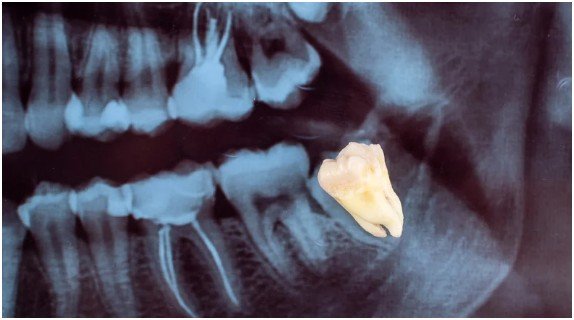
The most significant changes after an extraction occur in the alveolar ridge—the part of the jawbone that anchors the teeth. Without the physical stimulation provided by chewing forces transmitted through the tooth root, the bone begins a process called resorption.
Resorption Explained
Bone is a dynamic tissue that requires stimulation to maintain its density and volume. When a tooth is present, the pressure of biting and chewing signals the body to send nutrients to the jawbone, keeping it strong.
Once the tooth is removed, that stimulation ceases. The body interprets this as a signal that the bone is no longer needed in that specific area and begins to break it down to use the minerals elsewhere.
The Timeline of Bone Loss
This process doesn’t happen overnight, but it starts sooner than you might think.
- First 3–6 Months: The most rapid bone loss occurs within the first few months post-extraction. Studies suggest that the width of the alveolar ridge can decrease by up to 50% during this initial period.
- Long-Term Progression: While the rate of resorption slows down after the first year, it continues indefinitely at a slower pace if the tooth is not replaced. Over years, this can result in a significant reduction in jaw height and width.
Impact on Adjacent Teeth and Bite Alignment

The removal of a single tooth disturbs the equilibrium of the entire mouth. Teeth are not fixed in concrete; they are held in place by a balance of forces from adjacent teeth, opposing teeth, the tongue, and the cheeks.
Shifting and Drifting
When a gap is created, adjacent teeth naturally want to move into the open space. The teeth on either side of the gap may tilt or drift sideways. This movement can create hard-to-clean pockets where plaque and bacteria accumulate, increasing the risk of gum disease and decay in the remaining teeth.
Super-Eruption
Perhaps even more disruptive is the effect on the opposing tooth. Without a partner to bite against, the tooth on the opposite arch may begin to “super-erupt” or grow outward from the gum line in search of contact. This can expose the root of the opposing tooth, causing sensitivity and making it vulnerable to decay.
Bite Misalignment
As teeth shift, the way they fit together (occlusion) changes. This misalignment can lead to difficulties in chewing properly and may place excess stress on the jaw joint (temporomandibular joint or TMJ).
Over time, this can manifest as chronic jaw pain, headaches, or clicking and popping sounds when opening and closing the mouth.
Long-Term Effects: The “Collapsing” Face
If multiple teeth are lost and not replaced, the cumulative effect of bone resorption can lead to noticeable changes in facial appearance. The jawbone supports the facial muscles and skin; as the bone volume shrinks, that support system weakens.
Facial Esthetics
The distance between the nose and the chin can decrease, a phenomenon sometimes referred to as bite collapse. The lips may appear thinner and flatter as they lose support, and the skin around the mouth can develop more pronounced wrinkles.
This can make a person appear significantly older than they actually are. The chin may also appear more pointed or protrude further forward as the jaw rotates.
These structural changes highlight why maintaining bone density is about more than just oral function—it plays a key role in maintaining the natural contours of the face.
Options for Tooth Replacement
Fortunately, modern dentistry offers several solutions to halt or mitigate these changes. The goal of replacement isn’t just to fill the gap but to restore function and, ideally, preserve bone.
Dental Implants
Implants are currently the gold standard for tooth replacement because they are the only option that replaces the tooth root.
A titanium post is surgically placed into the jawbone, where it fuses with the bone in a process called osseointegration. This artificial root provides the necessary stimulation to the jawbone, significantly slowing down or preventing bone resorption.
Dental Bridges
A bridge uses adjacent teeth as anchors to hold a prosthetic tooth in place. While effective for restoring the appearance of the smile and preventing adjacent teeth from drifting, bridges do not replace the tooth root. Consequently, bone loss under the pontic (the false tooth) may still occur over time.
Dentures
Partial or full dentures sit on top of the gums. They restore the ability to chew and speak and improve facial aesthetics by supporting the lips and cheeks. However, like bridges, they do not stimulate the underlying bone.
In fact, the pressure of traditional dentures on the gum ridge can sometimes accelerate bone resorption, leading to the need for periodic relining or adjustment of the appliance.
For those considering their options, consulting with a specialist is key. If you are looking for solutions that balance aesthetics with structural health, seeking out cosmetic dentistry in Pittsburgh or your local area can connect you with professionals who understand the nuances of facial structure and smile restoration.
Conclusion
The journey your jaw takes after a tooth extraction is a complex biological process involving healing, remodeling, and adaptation.
While the body is resilient, the loss of a tooth initiates a chain reaction of bone loss and shifting teeth that can have lasting consequences on your oral health and facial appearance.