
 Ethan Vance
A beautiful smile is often equated with bright, white teeth, but the structural alignment of those teeth is equally important. Proper dental alignment, known in the medical community as healthy occlusion, is about much more than just looking good in a photograph.
It is a fundamental component of oral health that dictates how we speak, how we chew, and how well our teeth hold up against the passage of time. When teeth fit together correctly, they distribute the immense pressure of the jaw evenly, preventing premature wear and protecting the delicate joints of the face.
The Ideal Bite: A Front-to-Back Perspective
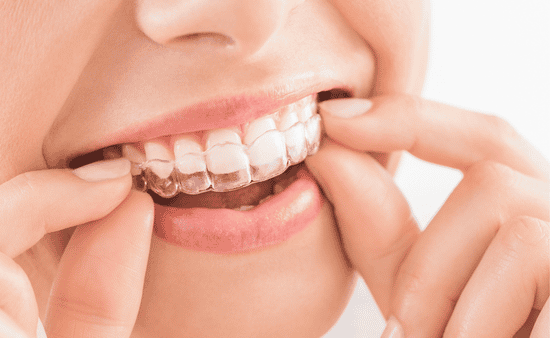
In a balanced smile, the upper and lower teeth should interact like a set of well-crafted gears. From a front profile, the upper front teeth should overlap the lower front teeth by a small margin, roughly two to three millimeters. This is often referred to as a healthy overbite. If the upper teeth sit directly on top of the lower teeth, it can lead to significant chipping and thinning of the enamel edges over time.
From a side view, the pointed peaks of the upper molars should fit neatly into the valleys of the lower molars. This interlocking relationship ensures that when you bite down, the force is directed through the long axis of each tooth.
When this alignment is off, it can result in a malocclusion, common oral health problems that includes conditions such as an underbite, where the lower teeth protrude past the upper ones, or a crossbite, where some upper teeth sit inside the lower arch.
The Role of Midline and Symmetry
Symmetry is a cornerstone of facial aesthetics. In a perfectly aligned smile, the vertical line between the two upper front central incisors should align perfectly with the vertical line between the two lower front teeth. This is called the dental midline. Furthermore, this midline should ideally coincide with the center of the face.
While minor deviations in the midline are common and often go unnoticed by the average person, significant shifts can make the smile appear tilted or lopsided. Correcting these subtle shifts often involves orthodontic intervention to move the roots of the teeth into their proper biological positions.
Arch Width and the Buccal Corridor
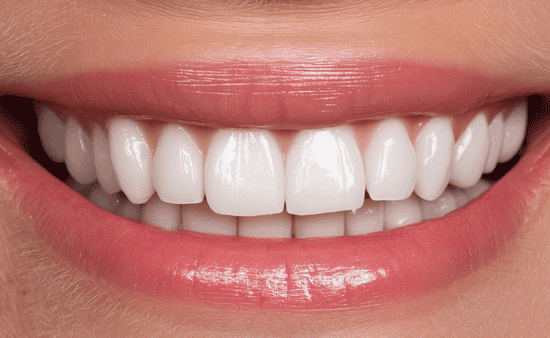
The shape of the dental arch also plays a role in a balanced smile. A healthy arch should be a broad, U-shaped curve rather than a narrow V-shape. When the arch is too narrow, it can cause crowding, where teeth overlap or rotate because there is simply not enough room for them to sit side by side.
Protecting your teeth from everyday wear and tear is essential, as proper alignment helps reduce uneven pressure on the teeth and supports long-term oral health.
A broad arch also fills the corners of the mouth when you smile. The dark spaces seen at the corners of the lips when smiling are known as buccal corridors. If these spaces are too large, the smile can look small or sunken. If they are too small, the smile can look overly crowded with teeth. Achieving the right balance creates a full, vibrant appearance that supports the soft tissues of the cheeks and lips.
Aesthetic Enhancements for Alignment Issues
Sometimes, even when the bite is functionally sound, the teeth may appear misaligned due to variations in size or shape. Some teeth may be naturally smaller or slightly rotated, creating the illusion of a crooked smile. In these instances, cosmetic solutions are often utilized to create a more uniform look.
For example, individuals seeking to correct minor gaps or irregular tooth shapes might consider porcelain veneers in Wasilla to achieve a seamless and symmetrical appearance without the need for years of braces. These thin shells are bonded to the front of the teeth to mask imperfections and create a balanced horizontal plane.
The Consequences of Poor Alignment
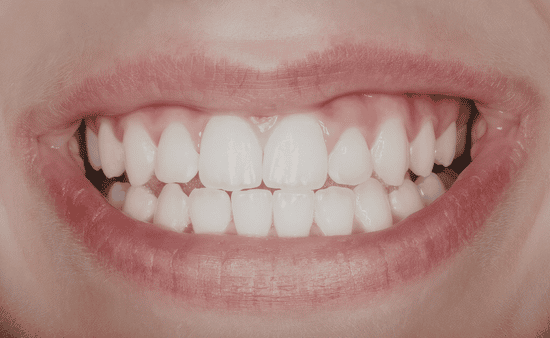
When teeth do not fit together as they should, the body attempts to compensate, which often leads to a cascade of dental issues. Uneven wear is the most common result, where certain teeth bear more weight than others, leading to fractures or sensitivity.
Beyond the teeth themselves, a misaligned bite can put excessive strain on the temporomandibular joint, or TMJ. This strain can manifest as chronic headaches, jaw clicking, or pain in the neck and shoulders.
Furthermore, crowded or overlapping teeth are significantly harder to clean. Plaque and tartar accumulate in the tight crevices where a toothbrush or floss cannot easily reach, increasing the risk of gum disease and localized decay. Therefore, pursuing a balanced smile is as much a preventive health measure as it is a cosmetic goal.
Achieving Your Best Smile
Understanding how your teeth should align is the first step in deciding if you need professional intervention. Modern dentistry offers a wide range of tools, from clear aligners to restorative bonding, to help patients reach their ideal occlusion. By focusing on both the function of the bite and the symmetry of the arch, you can ensure that your smile remains healthy, comfortable, and beautiful for decades to come.