
 Ethan Vance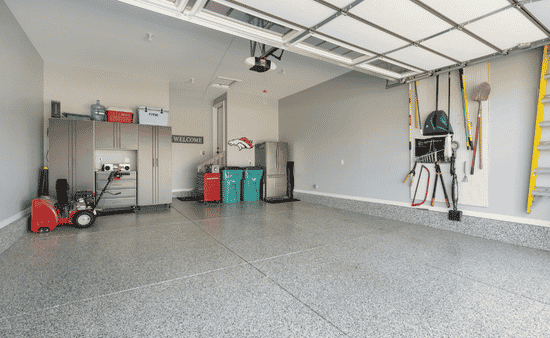
For decades, the garage served a single, straightforward purpose: protecting vehicles from the elements. Over time, it often became a dumping ground for holiday decorations, unused sports equipment, and boxes of forgotten belongings. But as housing needs shift and the desire for more functional living areas grows, homeowners are looking at this underutilized square footage with a fresh perspective.
Beyond Parking: Why Homeowners Are Rethinking Garages
The shift toward garage conversions is driven by changing modern lifestyles. With the rise of remote work, the demand for dedicated home offices has skyrocketed. At the same time, gym memberships and commute times are prompting many to bring their fitness routines in-house.
Instead of searching for a new, larger house in a competitive real estate market, families are choosing to maximize the property they already own. A standard two-car garage offers roughly 400 square feet of open space. Leaving that area unfinished and filled with clutter is a missed opportunity. Converting it provides a cost-effective solution for growing families, hobbyists, and anyone craving a bit more breathing room.
Popular Garage Transformations: From Grimy to Glamorous
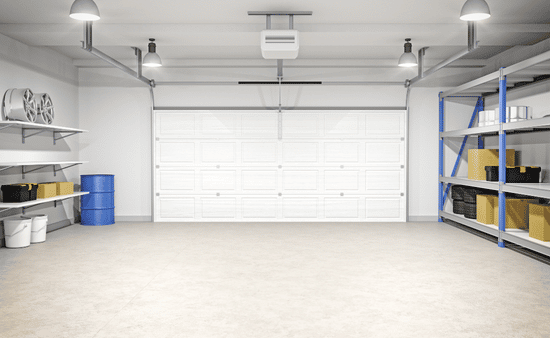
The Ultimate Home Gym
Say goodbye to waiting for machines and commuting in the rain. Turning a garage into a home gym allows you to create a customized workout environment. With high ceilings and a concrete subfloor, the garage is perfectly suited for heavy-weight racks, cardio equipment, and impact-absorbing rubber mats. You can blast your own music, control the temperature, and exercise on your own schedule.
The Creative Studio/Workshop
Artists, woodworkers, and makers often struggle to find space inside the main house for their messy or noisy hobbies. A garage provides the ideal setting for a creative studio. You can easily install heavy-duty workbenches, proper ventilation for paints and stains, and ample power outlets for tools. It becomes a dedicated sanctuary where creativity can flow without worrying about ruining the living room carpet.
The Entertainment Hub
If your family loves movie nights or hosting game days, the garage can easily transition into the ultimate entertainment room. Homeowners are outfitting these spaces with large projection screens, surround sound systems, pool tables, and even custom wet bars. Opening the garage door on a warm evening seamlessly blends indoor and outdoor entertaining, making it a perfect spot for summer barbecues.
The Cozy Guest Suite
Creating a comfortable space for visiting family or aging parents is a top priority for many homeowners. Converting a garage into a self-contained guest suite—often referred to as an Accessory Dwelling Unit (ADU)—provides privacy and independence. By adding a small kitchenette and a full bathroom, this space can also serve as a potential rental income opportunity.
The Productive Home Office
Working from the kitchen table is full of distractions. A garage office provides a physical separation between home and work life, which is essential for mental well-being and productivity. With the right insulation and a few large windows to let in natural light, a garage can become a quiet, professional environment for taking video calls and focusing on deep work.
Key Considerations for a Garage Conversion
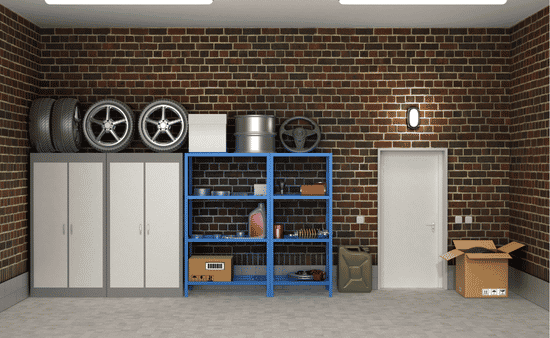
Transforming a garage requires more than just moving the cars out and throwing down a rug. To create a comfortable, legal, and functional room, you need to address several foundational elements.
Zoning and Permits
Before buying any materials, check your local building codes and homeowners association (HOA) guidelines. Many municipalities require permits for converting a garage into a livable space, especially if you are adding plumbing or altering the electrical system. Ensuring your project is up to code keeps you safe and prevents headaches when it is time to sell your home.
Insulation and Climate Control
Garages are typically uninsulated, meaning they freeze in the winter and bake in the summer. To make the space comfortable year-round, you will need to insulate the walls, ceiling, and the garage door itself. You might also want to tie the room into your home’s existing HVAC system or install a ductless mini-split unit for efficient, independent climate control.
Flooring and Lighting
A cracked concrete floor and a single bare lightbulb will not create a welcoming atmosphere. Elevate the space by finishing the floors with durable epoxy, luxury vinyl planks, or polished concrete. For lighting, ditch the harsh fluorescent tubes. Install recessed LED lights, add stylish pendant fixtures, and consider cutting in new windows or skylights to flood the room with natural sunshine.
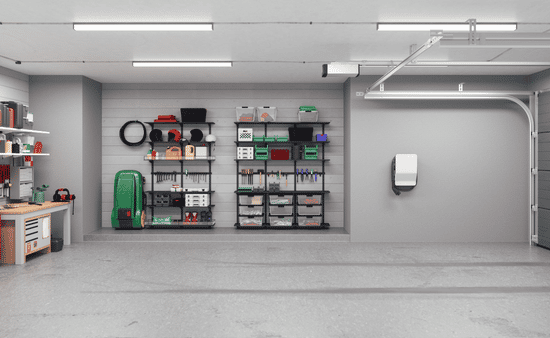
Storage Solutions
Even if you convert the garage into a living space, you likely still need room for tools, gardening supplies, and seasonal items. Smart storage is critical to keeping the new room organized. Utilizing vertical space and investing in high-quality cabinetry can hide the clutter. For example, installing custom garage cabinets in Salt Lake City can help local homeowners maintain a sleek, organized environment that seamlessly blends utility with a high-end aesthetic.
Maximizing Your Investment: Adding Value to Your Home
To ensure the highest return on investment, focus on the quality of the finishes. The new space should feel like a natural extension of the main house, rather than a hastily patched-together afterthought. Matching the interior trim, paint colors, and flooring styles will create a cohesive flow that appeals to future buyers.
Conclusion
Your garage holds incredible potential. By rethinking how you use this valuable square footage, you can create a customized environment that perfectly supports your hobbies, career, or family needs. From navigating local building codes to selecting the perfect storage and flooring, thoughtful planning is the key to a stunning result.