 Ethan Vance
Building a digital storefront is an accessible venture that offers incredible scalability and market reach. However, with thousands of new brands launching daily, long-term e-commerce success requires far more than just uploading a product catalog. It demands a robust framework of integrated tools, secure systems, and customer-first operational strategies.
To turn casual website visitors into loyal buyers, you must optimize every touchpoint of your operation. Here are the foundational, must-have essentials every online retailer needs to run a highly successful and efficient store.
1. A Scalable E-Commerce Platform
Your e-commerce platform functions as the absolute foundation of your digital retail business. Whether you opt for a highly customizable option or a plug-and-play solution like Shopify, BigCommerce, or WooCommerce, your platform must remain secure, reliable, and capable of adapting as your sales volume expands.
The right system should naturally simplify backend inventory management, offer native search engine optimization (SEO) capabilities, and provide mobile-responsive designs right out of the box. Prioritize platforms with strong integration options so your tech stack can evolve without requiring a total website overhaul.
2. Intuitive Web Design and User Experience
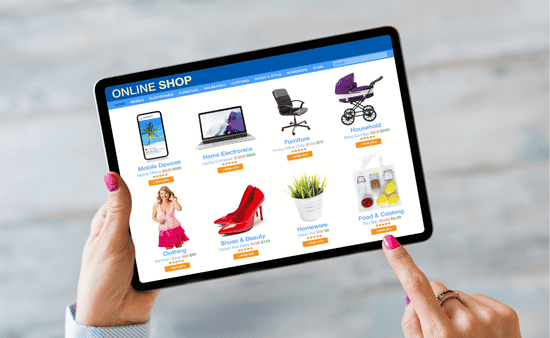
First impressions are paramount when operating in a crowded digital landscape. A clean, professional website design instantly instills trust and encourages deep exploration of your catalog. Focus heavily on creating a user-friendly interface that features logical product categories, prominent search filters, and an entirely frictionless checkout layout.
Because a substantial portion of global e-commerce traffic originates on mobile devices, ensuring your site loads quickly and adapts flawlessly to smaller screens is completely non-negotiable.
3. Robust Security and Diverse Payment Gateways
Modern consumers expect convenience alongside airtight transactional security. Implementing SSL encryption and maintaining strict compliance with industry data protection standards are critical baseline requirements to protect sensitive consumer data.
Furthermore, your checkout should support multiple trusted payment options, spanning traditional credit cards, digital wallets like PayPal or Apple Pay, and modern buy-now-pay-later services. Minimizing payment friction directly results in lower cart abandonment rates.
4. Automated Inventory and Order Management

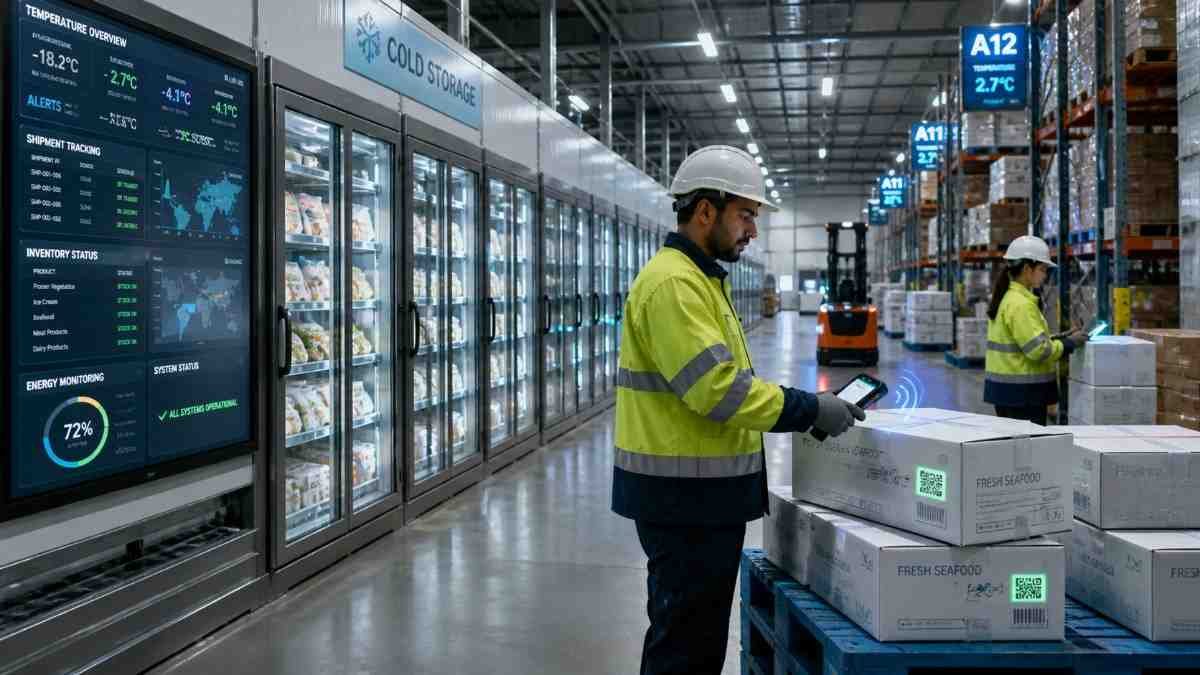
Efficient backend operations rely entirely on real-time data visibility. Few occurrences damage customer satisfaction faster than allowing a user to buy an item that is actually out of stock. Utilizing automated inventory management software allows you to track stock quantities accurately across multiple distinct sales channels simultaneously.
For order processing, automation reduces human error during fulfillment, speeds up the packing process, and ensures that stock tracking remains perfectly synchronized.
5. Optimized Shipping, Returns, and Local Logistics
A seamless, highly dependable delivery experience is a major differentiator for top-tier e-commerce brands. Retailers should explicitly state upfront shipping fees, supply accurate delivery windows, and provide transparent tracking links for every order. Depending on where your target audience resides, your fulfillment strategy may benefit from a combination of nationwide carriers and localized shipping networks.
For example, if you maintain a strong customer base in the Intermountain West, utilizing a specialized delivery service in Salt Lake City can dramatically lower regional transit times, decrease localized shipping costs, and elevate customer satisfaction. Pair your delivery logistics with a clear, stress-free return policy to foster deep consumer confidence and generate repeat purchases.
6. Comprehensive Digital Marketing and SEO
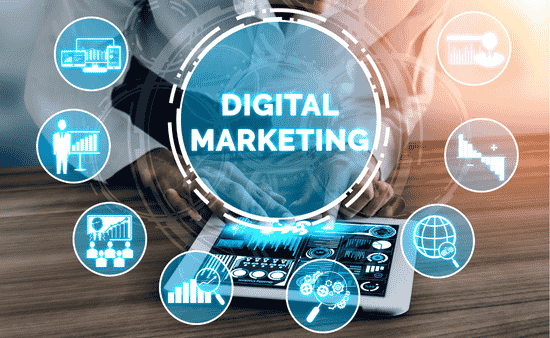
A beautifully designed online storefront will struggle to hit revenue targets without a reliable source of consistent traffic. Building visibility requires a multi-layered digital marketing roadmap.
Start by optimizing your site’s technical structure, product descriptions, and metadata for search engines to drive organic discoverability. Consistent Branding Helps Businesses Grow by creating a recognizable identity across your website, social media, and marketing materials, making it easier to build trust and encourage customer loyalty.
Supplement your organic reach by launching highly targeted social media campaigns, automated email flows for cart abandonment, and data-driven paid advertising to actively attract new customer segments.
7. Proactive Customer Support Systems
Exceptional customer service serves as a powerful engine for turning one-time shoppers into lifelong brand advocates. Make it simple for users to get assistance by deploying responsive communication tools, such as live chat, monitored email support, or comprehensive FAQ resource hubs.
Post-purchase support is equally critical—reach out with personalized tracking status updates, feedback surveys, and exclusive loyalty rewards to maintain positive long-term engagement.
Continuous Optimization
Building a profitable online retail business is an evolutionary process that requires ongoing analysis. Routinely evaluate your web traffic, conversion rates, and buyer habits via data analytics platforms.
By combining thorough performance data with reliable logistical infrastructure, secure payment frameworks, and robust digital marketing, you will establish a highly resilient online store equipped for long-term growth.