 Ethan Vance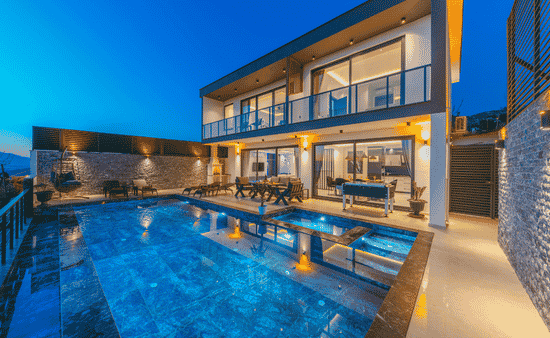
The allure of the mountains has always captivated the human spirit, offering a sanctuary of crisp air, panoramic vistas, and rugged adventure. For entrepreneurs, building a mountain resort is an ambitious project that combines architectural elegance with unparalleled guest experiences.
However, turning a vision of an alpine retreat into a profitable reality requires meticulous planning, a deep understanding of hospitality, and a strategy for managing the unique challenges of high-altitude construction.
Defining Your Vision and Niche
Every successful resort starts with a clear identity. Will your property be a secluded wellness hideaway, a family-friendly ski hub, or a sophisticated adventure outpost?. Your theme will influence every subsequent decision, from the materials used in construction to your target marketing demographics.
Understanding whether your guests are honeymooners seeking romance or corporate clients needing conference facilities ensures you invest capital where it will yield the highest satisfaction.
Choosing the Perfect High-Altitude Location
In the resort industry, location is the backbone of success. While scenic beauty is a primary draw, you must also prioritize accessibility and safety.
Accessibility and Infrastructure
A remote paradise is appealing, but it must be reachable for your target guests. If the journey is too difficult, travelers may choose more accessible competitors. Before purchasing land, ensure there is reliable infrastructure, including paved roads, electricity, and clean municipal water. For remote properties, you must develop a transportation plan, such as dedicated shuttle services, to bridge the gap between regional hubs and your mountain gates.
Zoning and Environmental Regulations
Mountain ecosystems are often protected by strict environmental regulations. It is vital to verify that local zoning laws allow for commercial hospitality operations on your specific plot. Environmental assessments may limit where you can build to protect natural features, and skipping these legal reviews can lead to expensive delays or massive fines.
Designing for Comfort and Resilience
A resort’s design must reflect its brand while remaining functional in extreme weather. Mountain architecture often balances rustic aesthetics with modern luxury.
Sustainable and Functional Design
Incorporating sustainable building practices is a growing trend in luxury design. Eco-friendly materials and energy-efficient systems not only appeal to conscious travelers but also reduce long-term operational costs. When designing at altitude, focus on elements like natural lighting, effective climate control, and regionally inspired décor that blends harmoniously with the landscape.
Unique Amenities
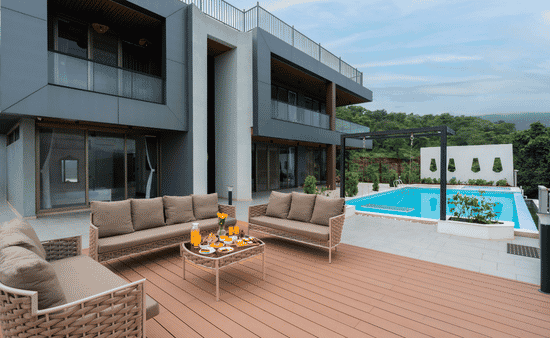
Amenities are what turn a standard stay into an unforgettable memory. In a mountain setting, this might include world-class spas, fine dining with panoramic views, and specialized water features. Partnering with expert contractors, such as specialized pool builders, ensures that high-altitude aquatic centers meet strict safety standards and remain functional through freezing winters.
Just as thoughtful amenities enhance the guest experience, Why Consistent Branding Helps Businesses Grow lies in creating a memorable and trustworthy identity that keeps customers engaged and encourages long-term loyalty.
Navigating Operational Logistics
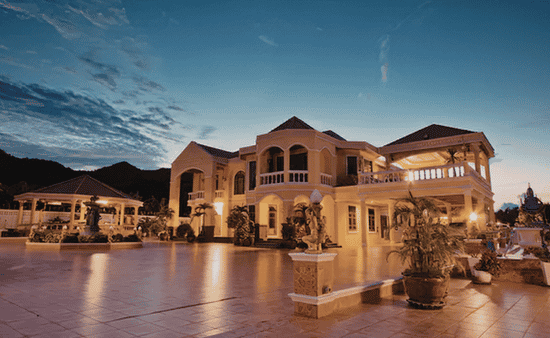
Operating at altitude presents unique logistical hurdles, particularly regarding staffing and technology.
| Operational Focus | Strategy for Success |
|---|---|
| Staffing | Hire professionals for management, housekeeping, and culinary roles, and invest in training to foster a positive culture. |
| Seasonality | Factor in seasonal fluctuations and develop strategies, such as hosting events or excursions, to maintain occupancy year-round. |
| Connectivity | Ensure guests have the modern conveniences they expect, including high-speed internet. |
Connectivity is often the most significant challenge in remote mountain regions where traditional fiber or cable lines are difficult to install. To overcome these hurdles, many modern alpine properties utilize Starlink for Business to provide high-speed, low-latency internet to guests and staff regardless of the terrain.
Financial Planning and Marketing
Building a destination property requires significant upfront capital. A solid business plan—including startup costs, revenue projections, and risk management strategies—is essential for attracting investors and lenders. Securing Support for Managing Cash Flow and Expansion Needs can also help ensure the business maintains financial stability during construction and has the resources needed to grow successfully over time.
Once construction is underway, your marketing strategy should highlight your resort’s unique selling points, whether it’s breathtaking views or sustainable practices. Leverage social media, travel blogs, and online booking platforms to reach your ideal guest demographic well before the grand opening.
Conclusion
Opening a mountain resort is a complex but rewarding endeavor. By focusing on a clear vision, selecting the right location, and ensuring high-quality design and amenities, you can transform a dream into a world-class destination. With the right team and a commitment to the guest experience, your resort can become a thriving business that offers guests a paradise like no other.