 Ethan Vance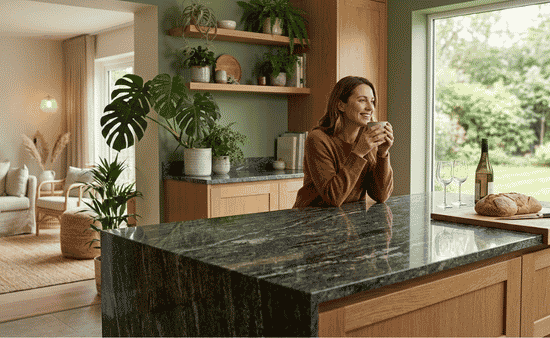
The concept of a vacation has undergone a dramatic structural shift. For decades, traditional leisure travel followed a strict, predictable pattern: booking expensive commercial flights, navigating crowded transit hubs, and checking into standard hotel rooms thousands of miles from home.
However, the relentless friction of modern global travel—characterized by rising logistical costs, unpredictable delays, and the exhausting mental load of coordinating complex itineraries—has prompted a widespread cultural reassessment.
Increasingly, individuals are recognizing that the primary objective of a vacation is not geographic displacement, but psychological restoration. This realization has fueled the growth of the intentional staycation trend.
Rather than spending valuable annual leave acting as stressed-out tourists, savvy homeowners are opting to reallocate their travel capital back into their own living environments. By systematically redesigning residential spaces to mimic the sensory and functional amenities of a luxury resort, they are creating permanent sanctuaries that support physical well-being and daily mental resets.
1. The Strategic Economics of Home-Based Retreats
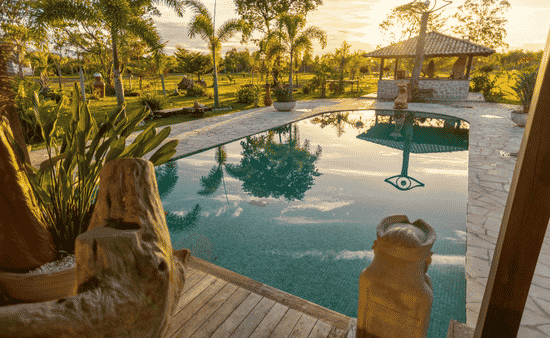
From an institutional financial perspective, traditional vacations represent a purely depreciating expenditure. Funds distributed across airline corporations, hospitality conglomerates, and localized dining establishments vanish from an individual’s balance sheet the moment the trip concludes.
Furthermore, the transient relaxation achieved during a one-week getaway frequently dissipates within the first forty-eight hours of returning to a demanding workplace environment.
In stark contrast, investing in a high-end staycation model turns discretionary leisure spending into a tangible, appreciating asset. The capital that would have otherwise evaporated into non-refundable travel fees is utilized to upgrade the structural and aesthetic quality of the home.
This calculated approach yields two distinct dividends: it provides immediate, uninterrupted access to a premium relaxation environment, and it systematically enhances the underlying equity of the residential real estate. Homeowners are effectively trading a temporary, high-stress excursion for a lifelong foundation of accessible wellness.
2. Elevating Culinary Spaces to Luxury Hospitality Standards
To successfully execute a resort-level staycation experience, a home must move past basic functional utility and embrace high-performance experiential design. The kitchen, traditionally treated as a high-friction zone of daily meal preparation and chores, must be reinvented to function as an elite, interactive culinary lounge—reminiscent of a boutique resort’s open-concept dining area.
Achieving this transition requires a meticulous selection of dense, premium architectural materials that establish an immediate sensory tone of luxury and permanence. For example, replacing worn, high-maintenance laminate surfaces with custom granite countertops in Salt Lake City instantly alters the visual and tactile profile of the culinary environment.
Because natural granite is formed under immense geothermal pressure, it introduces an unyielding, heat-resistant, and completely unique geological canvas into the home. Extending these expansive stone slabs across a centralized, waterfall-edge island creates a commanding communal hub. This architectural Home upgrades shifts the daily dynamic away from hurried cooking routines and toward leisurely, experiential food curation, wine tastings, and organic social interaction.
3. Integrating Biophilic Principles and Sensory Design
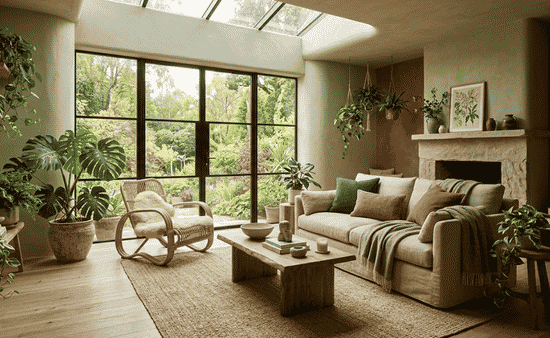
A true staycation environment must actively decouple the human nervous system from the chronic stimuli of a hyper-connected, digital lifestyle. Modern interior designers achieve this sensory recalibration by integrating biophilic principles—design strategies that consciously reconnect human biology with the natural world—into the core architecture of the home.
This includes stripping away harsh, cool-toned minimalist elements and replacing them with warm, organic textures and earthy palettes like sage greens, rich terracottas, and mineral blues. Maximizing the entry of natural daylight through expansive windows or architectural skylights establishes a healthy, restorative circadian rhythm within the living space.
Additionally, incorporating low-maintenance internal botanical arrays, such as structured ferns or statement monsteras, actively filters indoor air while lowering physiological stress markers. When the eye rests on organic forms and natural textures rather than rigid synthetic angles, the brain naturally transitions out of a defensive fight-or-flight state and into a deep, recuperative alpha-wave state.
4. Transforming Bathrooms into High-Performance Thermal Spas
Beyond the kitchen and main living areas, the residential bathroom serves as a critical frontline for personal hydrotherapy and restorative body wellness. The staycation trend encourages homeowners to dismantle standard, cramped washrooms and re-engineer them as private, fully integrated thermal spas.
While spa-inspired bathrooms promote relaxation and rejuvenation, many homeowners are also looking to create the ultimate home entertainment experience by enhancing media rooms, outdoor living spaces, and smart-home features, transforming their properties into comprehensive destinations for both leisure and wellness.
This level of mechanical upfitting involves installing multi-point, high-pressure rainfall shower heads, independent steam generation units, and deep, ergonomic soaking basins fabricated from volcanic stone or cast iron. Incorporating digital, low-profile radiant floor heating loops beneath natural stone tiling ensures that the tactile transition through the space remains consistently comfortable.
By pairing these mechanical thermal systems with dimmable, subtle automated lighting arrays and integrated acoustic systems that project natural soundscapes, homeowners recreate the precise therapeutic environment of a high-end wellness clinic, available at a moment’s notice without a reservation.
Conclusion
The staycation trend is far more than a temporary shift in vacation scheduling; it is a profound, permanent commitment to residential wellness and proactive lifestyle design. It is a calculated triumph achieved by replacing the logistical chaos of traditional travel with structural home investments, premium natural stone surfaces, biophilic sensory integration, and high-performance private spa facilities.
By choosing to anchor luxury within their own permanent physical addresses, homeowners successfully insulate their peace of mind from external economic volatility and transit stress. Ensuring that these restorative environments are integrated into daily life transforms the domestic home into an incredibly resilient, deeply luxurious sanctuary of absolute operational comfort, aesthetic clarity, and uncompromised personal protection.