 Ethan Vance
Industrial enterprises frequently reach a critical operational threshold where existing square footage can no longer support inventory volumes or supply chain demands. When facility constraints begin to restrict productivity, business leaders must confront a fundamental logistical dilemma: expand the current facility or relocate the entire operation to a larger site. Both strategies require substantial capital expenditure, yet their long-term financial impacts differ significantly.
Evaluating the financial viability of each option requires an analysis of immediate construction costs, hidden transition expenses, and operational downtime. For example, some regional operations find that commissioning a specialized custom metal building in Huntsville provides a highly economical path to physical expansion, while others discover that shifting to an established logistics hub yields better freight advantages. Determining the most budget-conscious path demands a careful review of specific cost variables.
The Cost Dynamics of Warehouse Expansion
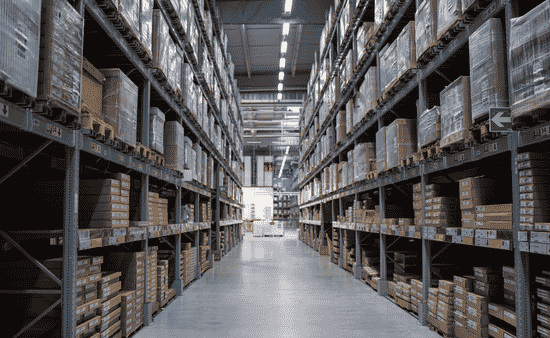
Maximizing an existing footprint is often the first consideration for growing businesses, primarily because it leverages property assets the company already owns or leases. Physical expansion generally takes two forms: vertical optimization or structural addition.
Vertical Space Optimization and Internal Restructuring
Before breaking ground on new construction, companies can evaluate the vertical limits of their existing facility. Investing in high-density pallet racking, narrow-aisle forklifts, or structural mezzanines allows an organization to increase stock-keeping unit density without changing the building exterior.
From a budgetary perspective, internal reconfiguration represents the lowest upfront capital investment. It eliminates the need for earthwork, building permits for new footprints, and exterior architectural design fees. However, the budget must account for specialized material handling equipment, as standard forklifts cannot operate in ultra-narrow aisles or reach extreme structural heights.
Structural Additions and Facility Modifications
When the vertical limit of a building is maximized, a lateral physical addition becomes necessary. This approach allows a company to maintain its current geographical position, preserving established supply lines and local labor forces.
The financial requirements for a physical addition include structural engineering, foundation pouring, and integration of utility systems like climate control and fire suppression. While costly, this capital expenditure often increases the overall valuation of the corporate real estate asset. It also bypasses the massive administrative costs associated with terminating existing commercial leases or selling commercial property in a volatile market.
The Financial Reality of Warehouse Relocation
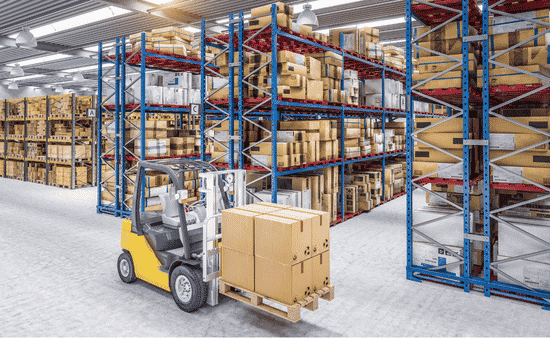
Relocating an entire warehouse operation to a larger facility appears straightforward, but the total budgetary impact extends far beyond the price per square foot of the new lease or purchase agreement.
Direct Real Estate and Lease Procurement Costs
Moving to a pre-existing, larger warehouse can rapidly resolve capacity issues. In some economic climates, purchasing or leasing an existing building can be highly competitive compared to the current high prices of raw construction materials.
However, finding a facility that perfectly matches an organization’s structural needs is rare. Budgets must include allowances for tenant improvements, such as retrofitting the floor layout, upgrading electrical grids for specialized machinery, or installing compatible loading dock doors.
The Hidden Expenses of Moving Operations
The true financial burden of relocation lies in the transitional phase. Transporting thousands of pallets of inventory, heavy machinery, specialized racking, and corporate offices requires substantial logistical coordination and capital. When managing The Logistics of Moving Out of State, businesses must carefully plan transportation routes, scheduling, inventory tracking, and equipment handling to minimize disruptions and maintain operational continuity throughout the move.
- Inventory Transfer Costs: Third-party logistics fees for moving physical goods from the old facility to the new site can accumulate rapidly.
- Operational Downtime: During the transition, order fulfillment often slows down or stops completely, leading to temporary revenue loss and potential strain on customer relationships.
- Labor Displacement: Relocating outside the immediate geographic area can result in employee turnover, forcing the company to invest heavily in recruiting and training new warehouse personnel.
Strategic Decision Framework for Budget Allocation
To determine which strategy protects the corporate bottom line, management teams should calculate the total cost of ownership for both scenarios over a five-to-ten-year horizon.
If the current facility possesses unutilized land or sufficient vertical clearance, expansion almost always delivers a superior return on investment by eliminating moving costs and minimizing business interruption. Conversely, if the current location suffers from poor logistical infrastructure, restrictive local zoning laws, or a shrinking regional labor pool, relocation may be the only viable long-term choice despite the high initial moving costs.
Ultimately, space optimization and building additions allow for incremental budget allocation, allowing businesses to scale expenditures in alignment with actual revenue growth. Relocation requires a massive, upfront cash outlay that can strain corporate liquidity if market conditions shift unexpectedly during the transition.