
 Ethan Vance
Making the switch to an electric or hybrid vehicle is a thrilling milestone. You are taking a massive step toward lowering your personal carbon footprint and shaking up your daily commute for the better.
However, most people spend all of their time researching battery ranges, interior features, and modern styling, completely overlooking where the vehicle will spend half its life: the garage.
Transitioning to eco-friendly driving means your home is no longer just a place to park; it is now your personal fueling station.
If you do not prepare your property before bringing your new ride home, you might face frustratingly slow charging speeds or unexpected electrical bottlenecks.
Prepping your living space ensures that your transition to green energy is as smooth and efficient as possible. Before focusing only on the vehicle itself, it also helps to understand what every driver should know before hitting the road, because safe and confident driving starts with preparation both at home and behind the wheel.
Here is a practical roadmap to getting your home completely vehicle-ready before your new clean car hits the driveway.
1. Map Out Your Charging Real Estate

Before you buy any hardware, you need to look closely at your parking setup. Take a walk out to your garage, carport, or driveway and figure out exactly where the vehicle will sit overnight.
Locate where the charging port is built onto your chosen vehicle model, as it varies wildly between front bumpers, side panels, and rear quarters. You will want to position your charging unit so the cord easily reaches the vehicle without creating a tripping hazard across the floor.
It is also wise to clear out the surrounding clutter. Giving your charging station some breathing room keeps the equipment cooler and makes plugging in at the end of a long day entirely effortless.
2. Upgrade to a Dedicated Level 2 System
When you unpack your new electric vehicle, it will likely come with a standard Level 1 charging cord that plugs into a regular household outlet. While this works in a pinch, it only gives you about three to five miles of range per hour. For most drivers, that is simply too slow to be useful.
To get a full charge while you sleep, you need to step up to a Level 2 charging station. This system runs on a 240-volt line, cutting your total charging time down to just a few hours. Because this requires specialized wiring and high-voltage knowledge, you will want a certified technician to handle the setup.
Hiring a professional for your home EV charger installation in Riverton ensures that your new equipment is safely integrated, strictly follows local building codes, and performs at peak efficiency.
3. Assess Your Electrical Panel Capacity
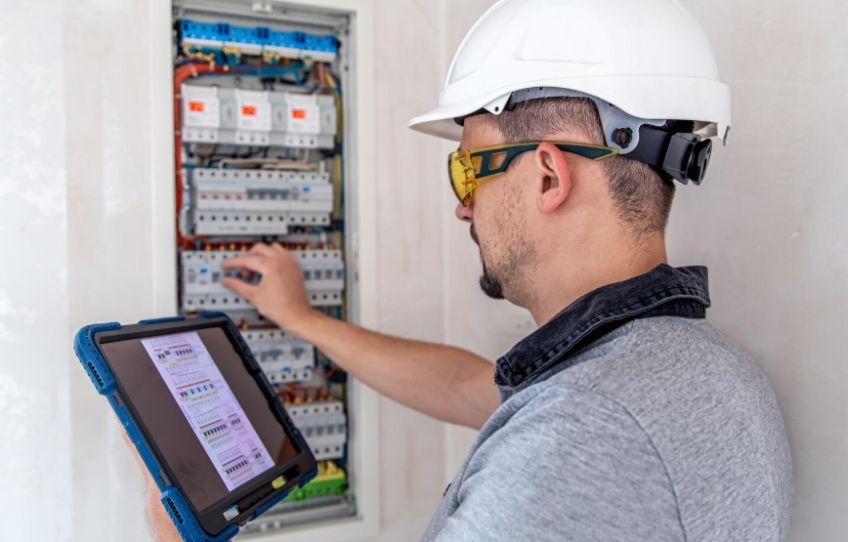
A Level 2 charger draws a significant amount of electricity, often requiring a dedicated 40-amp or 50-amp circuit breaker. Because of this high demand, your home’s main electrical panel needs to have enough literal room to handle the extra load.
Take a look inside your breaker box. If it is an older 100-amp panel that is already crowded with breakers for your central air, clothes dryer, and electric stove, you might be pushed to your absolute limit.
An electrician can perform a quick load calculation to see if your current setup can handle the car safely. If your panel is maxed out, upgrading to a 200-amp panel will protect your home from overloaded circuits and future-proof your property for other green technologies.
4. Conduct a Whole-Home Energy Audit
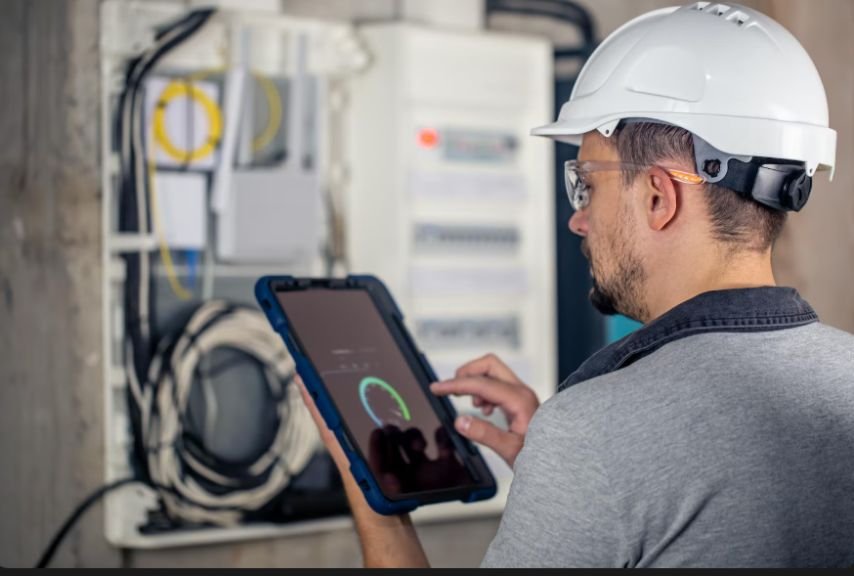
Plugging a clean car into your home will naturally increase your monthly electric bill. To offset these new costs, it is highly beneficial to look for hidden energy leaks across the rest of your property.
Walk through your home and look for simple ways to boost overall efficiency. You can swap out aging incandescent bulbs for crisp LEDs, seal drafty windows with fresh weatherstripping, or install a smart thermostat to better regulate your heating and cooling.
By shrinking your home’s baseline energy footprint, you essentially free up power for your vehicle. This balance keeps your utility bills manageable and ensures your household remains truly sustainable from top to bottom.
Eco-friendly preparation can also extend beyond your home and into the vehicle itself. Just as improving household efficiency helps reduce wasted energy, learning to choose the right window tint shade can improve driving comfort, reduce glare, and make your clean car feel better prepared for daily use.
5. Explore Time-of-Use Utility Programs
Once your home is physically ready to charge, you need to optimize when you pull electricity from the grid. Power companies experience peak demand during the afternoon and early evening when everyone is home cooking and running appliances.
Many utility companies offer specialized “Time-of-Use” programs that make electricity significantly cheaper during off-peak hours, usually late at night or early in the morning.
By configuring your vehicle’s built-in charging timer to only draw power after midnight, you can fill your battery for a fraction of the standard daytime rate. It is a simple, automated habit that saves you hundreds of dollars over the course of a single year.
Conclusion
Preparing your home for an eco-friendly vehicle is all about laying a safe, smart, and efficient foundation. By designating your charging space, upgrading to a Level 2 system, and checking your panel’s capacity, you prevent technical headaches before they ever have a chance to disrupt your routine.
True sustainability is a holistic concept that bridges the gap between how we travel and how we live. Taking care of your home’s infrastructure today ensures you can enjoy every single mile of your green driving journey with total peace of mind.