 Ethan Vance
Living in a home that feels cramped can significantly impact your daily comfort and overall well-being. Whether you reside in a compact urban apartment or a sprawling suburban house that has simply accumulated too many belongings over the years, learning how to make the most of your available square footage is an essential skill.
Optimizing your living environment does more than just clear physical pathways; it creates a more breathable, organized atmosphere that can reduce stress and increase productivity. By implementing strategic design choices and organizational habits, you can transform even the tightest quarters into a highly functional and welcoming sanctuary. You will gain actionable strategies to reclaim your rooms, creatively store your items, and visually expand your living areas.
1. Declutter Ruthlessly and Regularly
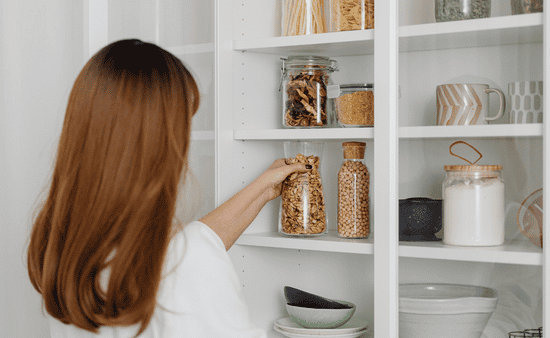
The most effective way to create more space is to remove items that no longer serve a purpose. Statistics consistently show that the average home contains thousands of unused items, from expired pantry goods to unworn clothing. When every closet and drawer is packed to the brim, the excess naturally spills out into your primary living areas.
Start by tackling one room at a time, categorizing items into piles for keeping, donating, selling, or discarding. A pragmatic tip is to employ the “one in, one out” rule: for every new item you bring into your home, an older item must leave.
2. Take Advantage of Vertical Space
When floor space is at a premium, the most logical direction to look is up. Many homeowners completely ignore the expanse of blank walls stretching toward the ceiling. By installing tall shelving units, floating shelves, or wall-mounted cabinets, you instantly multiply your storage capacity without sacrificing a single square inch of the floor.
In the kitchen, consider hanging pots, pans, and utensils on a ceiling-mounted rack or a sturdy pegboard. In the living room, floor-to-ceiling bookcases draw the eye upward, making the room appear taller while housing your library, decor, and electronics. A practical tip is to store the items you use least frequently on the highest shelves, reserving the easily accessible areas for your daily essentials.
3. Invest in Multi-Functional Furniture
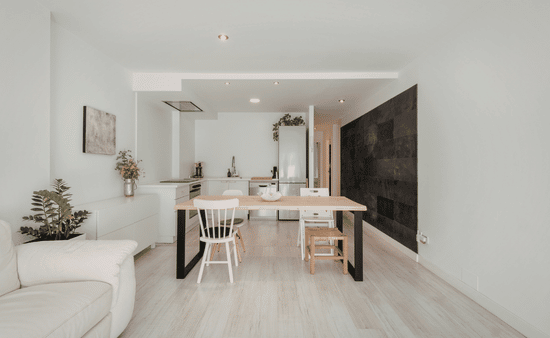
Furniture often consumes the largest amount of space in any given room. To maximize your layout, prioritize pieces that can serve more than one function. The market is filled with innovative designs tailored for space efficiency, blending style with hidden utility.
Look for ottomans or coffee tables that feature hollow centers for storing blankets, board games, or seasonal clothing. A classic sofa bed or a modern Murphy bed allows a home office or living room to double as a comfortable guest bedroom when visitors arrive.
Drop-leaf dining tables can be collapsed and tucked against a wall when not in use, freeing up the center of the room for everyday activities. Choosing furniture that works double-duty is a highly effective way to keep your home uncluttered and adaptable.
4. Optimize Unused Nooks and Corners
Every home has awkward architectural quirks—the space under the stairs, empty room corners, or the gap between the top of the kitchen cabinets and the ceiling. With a bit of creativity, these often-overlooked areas can be transformed into highly efficient storage zones or functional micro-spaces.
For example, the hollow area beneath a staircase can be converted into pull-out drawers, a cozy reading nook, or even a compact workstation. Room corners can accommodate custom-built angular shelving or corner desks.
If you are converting a larger underutilized space, like a basement or an empty garage, careful layout planning allows you to fit surprisingly large hobbies into your home. You could easily section off a dedicated area to install a simulator golf setup, allowing for year-round indoor recreation without crowding your main living areas.
5. Implement Smart and Hidden Storage Solutions
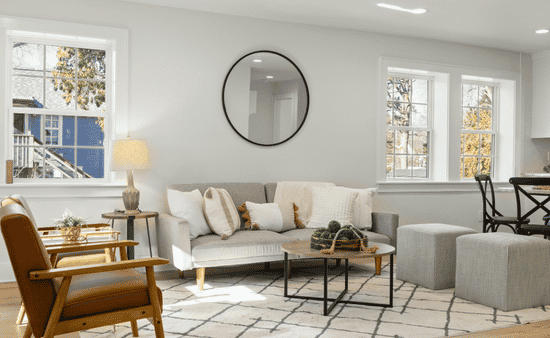
Keeping everyday clutter out of sight is crucial for maintaining a spacious aesthetic. Smart storage solutions involve utilizing the hidden voids within your home to stash away items securely.
The space beneath your bed is prime real estate for storage. Use low-profile plastic bins or invest in a bed frame with built-in drawers to hold off-season clothing, extra linens, or shoes. In the bathroom, attach adhesive organizers to the inside of cabinet doors to hold toiletries and cleaning supplies. A great tip for small bedrooms is to replace standard bedside tables with small dressers, instantly multiplying the amount of folded clothing you can store out of sight.
6. Use Mirrors and Lighting to Create Illusions
Maximizing space is not purely about physical storage; it is also about visual perception. Dark, poorly lit rooms feel inherently smaller and more confining than bright, well-illuminated spaces. You can manipulate the perceived size of a room by strategically using reflective surfaces and proper lighting.
Placing a large mirror opposite a window bounces natural light across the room, creating the illusion of a much deeper space. If natural light is limited, ensure your artificial lighting is layered.
Relying solely on a single overhead fixture casts harsh shadows into the corners of the room, visually shrinking it. Instead, incorporate floor lamps, table lamps, and under-cabinet lighting to illuminate the perimeter of the room, making the walls recede and the space feel open, airy, and inviting.