
 Ethan Vance
Creating a beautiful yard does not have to come at the expense of the environment. As environmental awareness grows, many homeowners are looking for ways to cultivate landscapes that thrive naturally while reducing their ecological footprint. A sustainable yard benefits local ecosystems, conserves natural resources, and often requires less long-term maintenance than a traditional grass lawn.
Transitioning to an eco-friendly landscape involves making intentional choices about the plants you grow, the materials you use, and the way you manage resources like water and soil. By implementing a few strategic changes, you can transform your outdoor area into a resilient, thriving environment.
Here are eight effective strategies to help you build a greener, more sustainable outdoor space.
1. Choose Native Plants
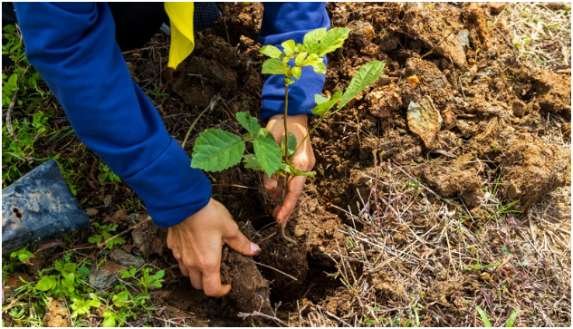
One of the most impactful steps you can take is to fill your garden with native plant species. Because these plants have adapted to your local climate and soil conditions over thousands of years, they require significantly less water, fertilizer, and overall maintenance than exotic species.
Furthermore, native plants provide essential habitats and food sources for local wildlife, including pollinators like bees, butterflies, and birds.
2. Install Efficient Irrigation Systems
Traditional overhead sprinklers often waste a substantial amount of water through evaporation and wind drift. To conserve water, consider installing a drip irrigation system.
This method delivers water directly to the base of the plants, ensuring the roots receive the moisture they need while minimizing waste. Adding a smart irrigation controller can further optimize your water usage by adjusting watering schedules based on real-time local weather data.
3. Start a Composting System
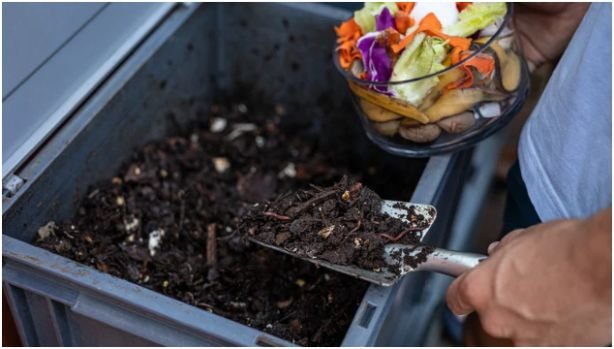
Healthy soil is the foundation of any sustainable garden. Instead of relying on synthetic fertilizers, you can enrich your soil naturally by composting kitchen scraps and yard waste.
Composting reduces the amount of organic matter sent to landfills, where it would otherwise release methane, a potent greenhouse gas. The resulting nutrient-rich compost improves soil structure, increases moisture retention, and promotes healthy plant growth.
4. Rethink Your Hardscaping
Paved surfaces like concrete driveways and traditional patios create runoff, carrying pollutants into local waterways and preventing rain from replenishing groundwater supplies. When designing your outdoor space, opt for permeable materials such as gravel, permeable pavers, or spaced flagstones because water regulation matters for the community also.
These materials allow water to naturally seep into the ground. If you are planning a major outdoor renovation, consulting a professional landscaper in Salt Lake City or your specific local area can help you identify the best permeable options for your regional climate.
5. Reduce Traditional Lawn Areas
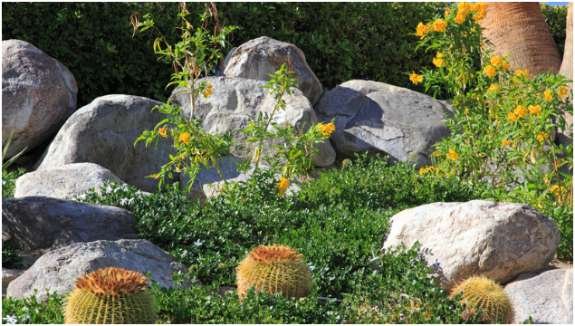
Maintaining a pristine, uniform grass lawn requires immense amounts of water, chemical fertilizers, and regular mowing. You can significantly reduce your environmental impact by shrinking the size of your lawn.
Consider replacing sections of turf with diverse garden beds, drought-tolerant ground covers, or even a small meadow of native wildflowers. This approach not only saves resources but also adds visual interest and biodiversity to your property.
6. Harvest Rainwater
Capturing rain is a simple and highly effective way to conserve municipal water supplies. By installing rain barrels beneath your roof’s downspouts, you can collect hundreds of gallons of water during wet seasons. This harvested water is naturally soft and free of the chlorine often found in tap water, making it incredibly beneficial for your garden beds and potted plants during dry spells.
7. Practice Organic Pest Control
Chemical pesticides often have unintended consequences, harming beneficial insects and contaminating local soil and water. Transitioning to organic pest control methods helps maintain a balanced ecosystem in your yard.
Encourage natural predators like ladybugs and lacewings to take up residence in your garden. You can also use organic insecticidal soaps, neem oil, or companion planting strategies—such as planting marigolds near vegetables—to naturally deter unwanted pests.
8. Plant Trees for Energy Efficiency
Trees do much more than clean the air and provide a habitat for birds. When strategically planted around your home, they can actually lower your household energy consumption.
Deciduous trees planted on the south and west sides of your property will cast cooling shade during the hot summer months, reducing your reliance on air conditioning. In the winter, after shedding their leaves, these same trees allow sunlight to pass through and naturally warm your home.
Sustaining a Thriving Ecosystem
Building a greener outdoor space is a highly rewarding endeavor that benefits both your local environment and your personal well-being. By embracing native biodiversity, conserving water, and utilizing natural soil-building techniques, your yard will become a self-sustaining ecosystem.
Every small change you implement contributes to a healthier planet, proving that beautiful landscapes and ecological responsibility can easily go hand in hand.