
 Ethan Vance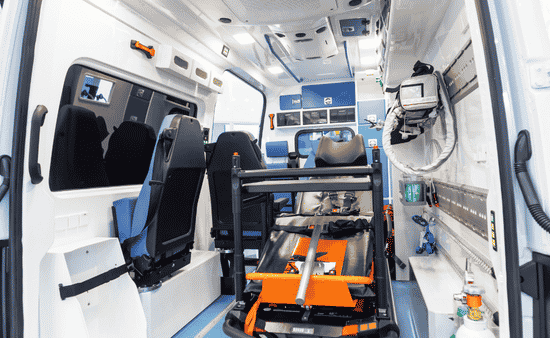
Traveling across the country or internationally is stressful enough, but when a patient requires continuous medical care during a journey, the complexity multiplies. Whether relocating an elderly parent, moving a patient to a specialized rehabilitation center, or traveling home after an unexpected surgery abroad, safety must remain the top priority.
Proper planning mitigates risks, prevents in-flight medical emergencie, and provides peace of mind for both the patient and their family. By understanding the logistics, medical requirements, and necessary clearances, you can transform a daunting process into a smooth journey. Here are seven critical steps to ensure safe medical travel, allowing you to focus entirely on the well-being of your loved one.
1. Evaluate the Patient’s Specific Medical Needs

Before making any travel arrangements, it is crucial to assess the patient’s current health status and mobility limitations. Patients who are medically stable but unable to ambulate, sit upright for extended periods, or care for their own basic needs require specialized attention.
Consider whether the patient needs oxygen therapy, continuous vital sign monitoring, or intravenous medications. Gathering a comprehensive medical history and a current status report from the attending physician will dictate the level of care required during the trip.
Tip: Request a written medical summary from the primary care physician at least a week before travel to ensure all health parameters are clearly documented.
2. Choose the Right Transport Provider
Selecting an experienced and reputable provider is arguably the most important decision in this process. While private air ambulances are an option, they are often cost-prohibitive. For medically stable patients, utilizing a commercial airline with a specialized patient transport service is highly effective.
These services utilize experienced RN flight nurses who accompany the patient in first or business class, providing a cost-effective and highly comfortable alternative to private jets. Look for providers with decades of experience and flawless safety records across international borders.
3. Verify Medical Clearances and Documentation

Commercial airlines have strict protocols regarding passengers traveling with known medical conditions. You cannot simply purchase a ticket and board with medical equipment. A detailed medical clearance form must be submitted to the airline’s medical department for approval.
This process involves a review of the patient’s diagnosis, required oxygen flow rates, and the specific medical devices that will be used in flight. Obtaining this authorization can take anywhere from 72 hours to two weeks, depending on the carrier.
Tip: Start the clearance process as early as possible and always carry physical copies of the approved medical clearance forms on the day of travel.
4. Coordinate Bedside-to-Bedside Logistics
Safe transport extends far beyond the flight itself. The journey begins at the patient’s current bed and ends at their final destination, meaning ground transportation must be meticulously coordinated.
This involves arranging wheelchair accessible vans or ground ambulances to transport the patient to the airport, navigating airport security, and ensuring receiving transport is waiting upon arrival. Seamless bedside-to-bedside coordination minimizes transit delays and reduces physical strain on the patient.
5. Arrange for Necessary Medical Equipment

In-flight use of medical equipment is heavily regulated by the Federal Aviation Administration (FAA) and individual airlines. Only specific, FAA-approved devices can be used on board. Commonly approved equipment includes portable oxygen concentrators and battery-operated suction units or ventilators.
These devices typically must operate on gel-cell or lithium-ion batteries, as airlines rarely permit the use of their auxiliary power systems for medical devices. Ensure all equipment is fully charged and that you have backup batteries that meet the airline’s specific duration requirements.
Tip: Calculate the total travel time, including layovers and potential delays, and pack enough battery power to last at least 150% of the estimated journey duration.
6. Select the Most Comfortable Seating Options
Patient positioning is vital for maintaining adequate circulation, limiting edema, and decreasing the risk of blood clots during long flights. Business or first-class cabins offer reclining seats or sleeper pods that are essential for patients who are immobile.
The added space allows an accompanying flight nurse to easily shift the patient’s position, elevate their legs, and perform range-of-motion exercises. Furthermore, premium cabins provide a quieter environment and much-needed privacy, which is crucial for the patient’s dignity and comfort.
7. Communicate Continuously with Healthcare Teams
Clear, continuous communication between the transport team, the sending facility, and the receiving destination is essential for continuity of care. The flight nurse should receive updated medical reports right up until departure to ensure the flight plan remains safe.
Upon arrival, a detailed clinical handoff must occur. The transport nurse will provide a comprehensive briefing to the receiving medical facility or the family caregivers, detailing the patient’s in-flight vital signs, administered medications, and overall tolerance of the journey.
Organizing medical travel requires careful attention to detail, a thorough understanding of aviation regulations, and clinical expertise. By meticulously evaluating the patient’s needs, securing proper clearances, utilizing approved equipment, and coordinating comprehensive bedside logistics, the risks associated with travel are drastically reduced. Following these seven steps ensures that patients receive the highest standard of care while in transit, allowing them to arrive at their destination safely and comfortably.